






Career and Technical Education (CTE) is having a national moment. Enrollment in K–12 CTE programs has grown by nearly one million students in the past year alone, reflecting both increased student interest and growing confidence among families that CTE can lead to solid postsecondary opportunities. As a CTE teacher and coach, I see every day how industry-aligned environments, authentic projects, and student-driven decision-making in CTE courses naturally align with Gold Standard Project Based Learning.
At the same time, this moment calls for greater intentionality in how we design learning experiences that prioritize rigor and relevance. As more students, families, and policymakers look to CTE as a viable pathway, building strong industry-aligned competencies and transferable skills in these classrooms matters more than ever— and this is where PBL can play a critical role.
CTE’s Transformation and National Momentum
According to the National Center for Education Statistics, 85 percent of high school graduates in 2019 completed at least one CTE course. The new Advance CTE career clusters framework reflects the evolving landscape of the world of work and the need for interdisciplinary career preparation, reshaping how districts nationwide approach postsecondary pathways.
Rather than serving primarily as a direct funnel to the workforce, career and technical education is increasingly moving toward a “CTE for all” model that supports students in building both career and college readiness, with access to benefits like certifications and dual credit that reap dividends beyond graduation. Students with a variety of postsecondary plans recognize the benefits of rich experiential learning in CTE classes and are enrolling at record rates: national headlines report growing waitlists for career preparation academies, while students who complete two or more courses in the same career pathway are enrolling in postsecondary programs at nearly the same rate as their peers. Enrollment in undergraduate certificate programs tied to careers has jumped by 28% over the past three years.
This momentum raises an important instructional question: how do we design effective learning experiences that match the promise and expectations that students now attach to CTE pathways leading to 21st century careers?
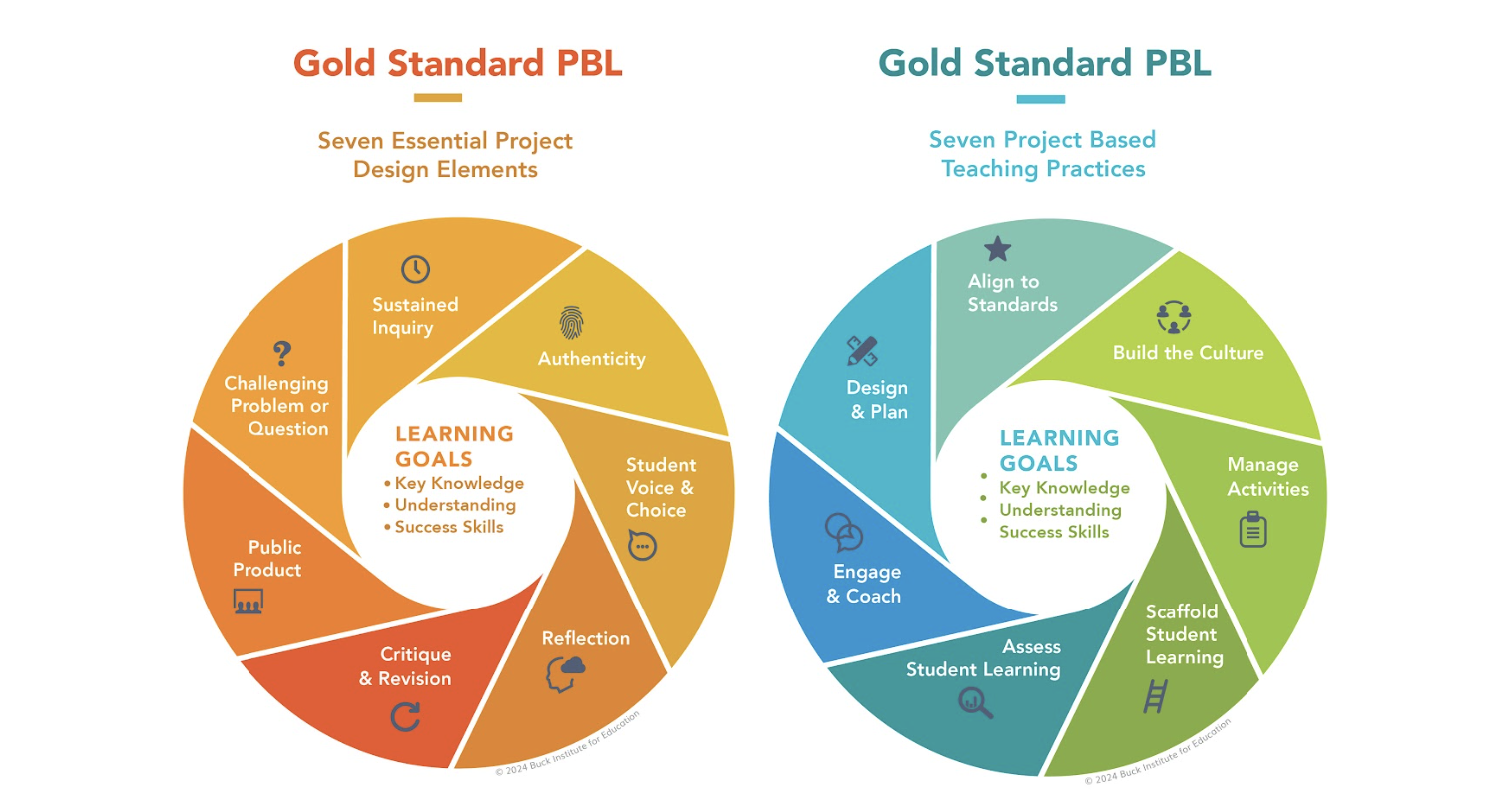
Where CTE Has a Natural Connection to Gold Standard PBL
Project Based Learning provides a strong framework to answer this question. From my experience as a CTE teacher and coach, CTE and PBL already align in powerful ways.
Authentic Learning Environments and Standards
CTE courses are grounded in industry-aligned standards, work-ready skills, and authentic instructional environments. In Tacoma Public Schools, where I work, students learn in commercial kitchens, automotive repair shops, four-season greenhouses, school-based credit unions, and medical examination rooms. Teachers support students as they market products at student stores, craft lesson plans for elementary classrooms, and diagnose illnesses in animals. Students are held to professional expectations around quality, safety, and accountability. These real-world, project-based contexts help students situate themselves in the world of work.
Built-In Student Voice and Choice
Within the CTE model, students typically begin with an exploratory course aligned to their interests and skills— a graduation requirement here in Washington and several other states. Students can then pursue advanced coursework within and beyond a chosen pathway, leading to a personalized education with industry-recognized credentials, graduation credit equivalencies, and postsecondary dual credit.
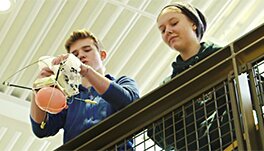
High-quality CTE programs also require students to make decisions that personalize both the content and process of their learning. This could include defining leadership roles within a student-run enterprise, designing a tiny house for a community partner, or building an unmanned vehicle that can navigate the ocean floor. These experiences demand iteration, collaboration, and interdisciplinary problem-solving.
Teaching as Coaching in Action
Given their industry experience, CTE teachers often intuitively structure classrooms as functional workplace environments. Students work in teams, deadlines matter, and expectations around quality and safety are explicit. Teachers provide real-time support by helping students build skills when they are needed, whether that means improving a weld or troubleshooting a drone flight. This mirrors the “teacher as coach” stance in high-quality PBL.
How PBL Can Take CTE to the Next Level
These strengths anchor much of what works in CTE today, but as the nature of work continues to shift, the field must adapt as well. Students are increasingly seeking flexible, personalized career pathway experiences that will equip them with authentic skills and experiences they need to thrive after graduation. As CTE expands in scope and visibility nationwide, we have an opportunity to apply Gold Standard PBL more intentionally to deepen rigor and better prepare students for this rapidly changing world of work.
Deepening Sustained Inquiry
CTE teachers often have the flexibility to focus on high-impact topics and skills, avoiding the inch-deep, mile-wide nature of traditional curricula.
As we prepare students for jobs that may not yet exist, we need to move beyond skill replication and prioritize inquiry. This means helping students ask deeper questions, think critically, and develop original solutions rather than replicating existing systems and products.
My colleague James Fester recommends one strategy that I often share in my coaching: teachers present an emergent “problem of practice” from the lab or shop environment, such as a malfunctioning piece of equipment or a failing plant in the greenhouse, and have teams investigate and propose their own solutions. These learning experiences mirror the complex, ambiguous challenges of workplace problem-solving.
Making Reflection Explicit and Actionable
Students also need support in recognizing and articulating what they are learning and how it connects to future opportunities. Without intentional reflection, students may miss the transferable skills they develop through CTE projects, including industry-specific knowledge, collaboration, project management, and critical thinking.
CTE teachers can strengthen this awareness by explicitly teaching and assessing these skills, connecting them to workplace relevance, and providing structured opportunities for students to reflect throughout a project. When students can clearly describe what they did, what they learned, and why it matters, they are better prepared to translate those experiences to resumes, interviews, and postsecondary applications.
Managing Learning in Project Work
Many CTE teachers transition to the classroom directly from industry and may not have completed a comprehensive teacher education program. Classroom management skills remain essential, but project management language and structures may provide a more natural entry point in CTE.
Effective CTE teachers establish systems that help student teams manage timelines, delegate and track progress, identify resources, and coordinate with outside partners. One of my favorite project management practices is a student-managed scrum board: visual, tactile systems help students stay organized and focused during work time.
Public Products and Partnerships
National work-based learning guidelines offer a framework for meaningful integration of industry and community partners in CTE, creating rich opportunities to make student work public. Beyond one-time guest speakers or field trips, partners can serve as curriculum advisors, project co-designers, classroom mentors, project judges, and more.
District administrators can support teachers in building sustained partnerships that guide students from initial career awareness to workforce preparation and training. These experiences raise expectations for all students and reinforce the relevance of their learning outside the classroom. The Working With Outside Experts Strategy Guide and the Community Partner Outreach Planner provide strong starting points.
Leaning Into the Opportunity Ahead
With CTE in the national spotlight as a pathway to postsecondary education and high-skill, high-wage, and high-demand careers, now is the time to take a close look at the learning experiences we offer students. High-quality CTE programs must provide engaging, rigorous, authentic learning that allows students to personalize their education while building transferable skills for the future.
This work begins by recognizing what CTE teachers already do well, and giving them the tools to do their work at an even higher level with intentional professional development and instructional design. By leaning into its natural alignment with Gold Standard Project Based Learning, CTE can continue to lead in shaping the future of career preparation for all students.