




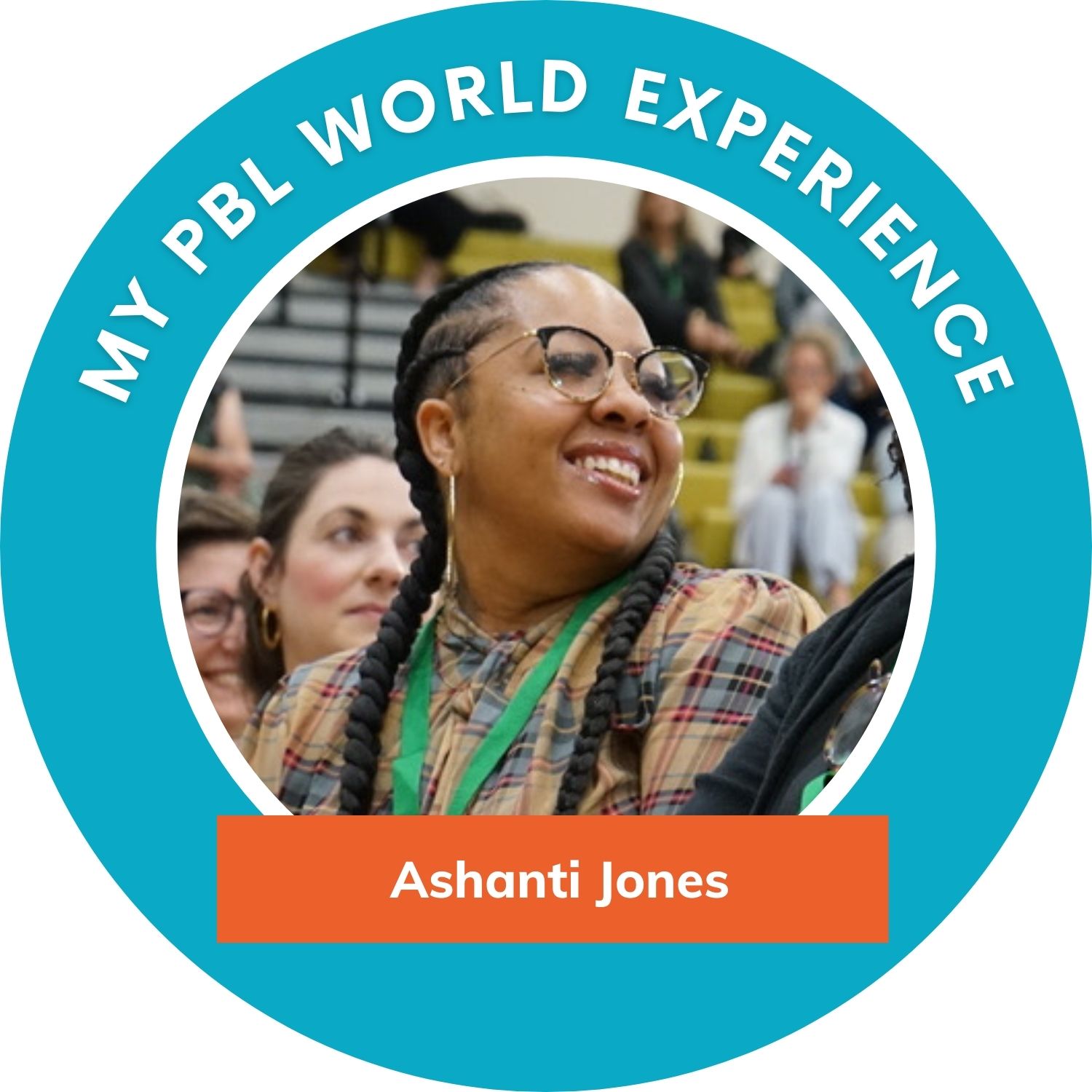
We recently had the opportunity to speak with Ashanti Jones, principal of Pittsburgh Sunnyside PreK–8, about her experience at PBL World 2025. Ashanti reflects on a recurring question that led her to Project Based Learning, the moments at the conference that shifted her thinking, and the practical decisions she’s made to ensure PBL is sustainable and meaningful in her school context.
1. Tell us a bit about yourself and your journey as an educator.
I began my career in education in 2008 as a classroom teacher at an independent school, where I learned to be creative and intentional in my practice—lessons that continue to shape how I approach teaching and learning. In 2013, I transitioned into public education, serving as an elementary teacher, then assistant principal, and now principal of Pittsburgh Sunnyside PreK–8.
Alongside my work in schools, I have been deeply involved in out-of-school-time programming, including serving as a STEM instructor with the YMCA’s STEM Stars and teaching enrichment programs through the Boys and Girls Club, Family Links, and One Small Step. Together, these school-based and community experiences have shaped how I think about learning, opportunity, and student engagement.
2. Describe your school and the community you serve.
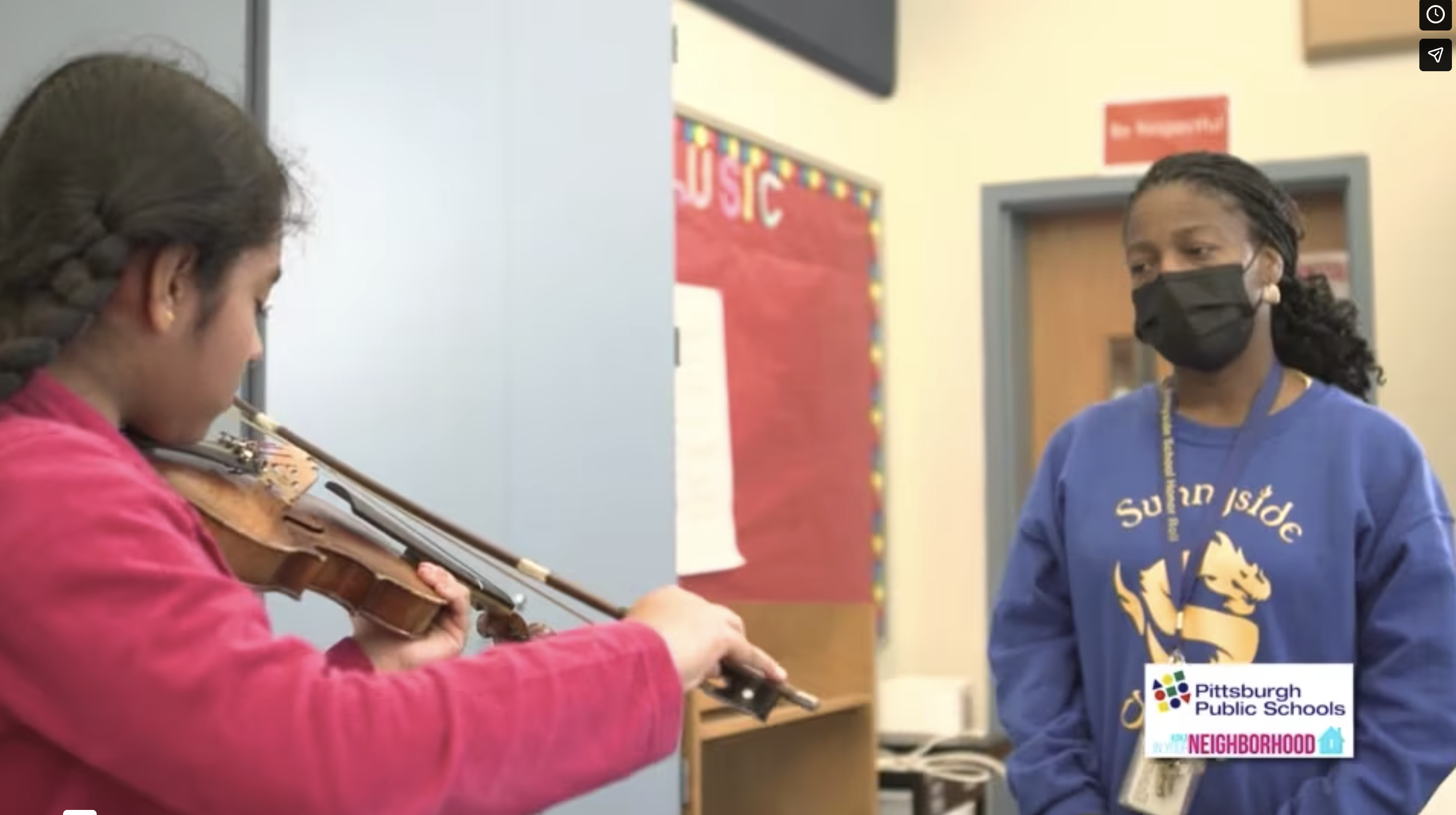
Pittsburgh Sunnyside PreK–8 is a neighborhood school in the Stanton Heights community of Pittsburgh. Most of our students live nearby, creating a strong sense of connection between the school, families, and community. We are a growing PreK through 8 school with a history of strong performance and a shared commitment to providing a safe, welcoming environment where all students are supported to thrive.
3. What inspired you to attend PBL World?
As families tour our school, they often ask, "What makes Sunnyside unique?" In a district with many magnet options, that question pushed me to think more deeply about our instructional focus. While being a strong neighborhood school mattered, I realized we also needed a clear academic vision, one that defined how students learn best and how we engage them meaningfully.
As I explored Project Based Learning, I was drawn to the Gold Standard PBL framework. The lesson design elements and teaching practices felt intentional, rigorous, and adaptable. I saw PBL as a way to create something distinctive for our school, something students, families, and teachers could truly engage with. Attending PBL World felt like the natural next step.
4. Was PBL World then your entry point into Project Based Learning?
Yes. PBL World was my first formal experience with PBL. Prior to that, my engagement was limited to independent research. Participating in PBL 101 was truly my entry point.
5. What stood out to you about the PBL 101 workshop?
PBL 101 allowed me to envision what was possible for our school. Walking through the full project design process made PBL feel tangible and realistic. We use a district curriculum, so I was especially focused on how to align our standards within the PBL framework in a way that reflected our school culture and community. At the same time, our district is engaging with the work of Dr. Gholdy Muhammad, which emphasizes joy. I want students to love learning and want to come to school. I believe Project Based Learning can inspire that joy, and PBL 101 helped me see how expansive the possibilities really are.
6. What felt different about PBL World compared to other professional learning experiences?
Too often, professional learning feels like a sit-and-get experience. PBL World felt different. It was collaborative and grounded in conversation, allowing me to learn alongside educators.
Some who are just beginning their PBL journey and others whose schools have been doing this work for years. It was valuable to hear what others were doing and then reflect on how those ideas could work in our own context. Instead of being told to implement something immediately, there was space to digest, adapt, and make it meaningful.
7. What happened after you returned to school?
Seeing a demonstration of PBLWorks TEACH at PBL World was a turning point for us. As a PreK through 8 school, I knew time was the biggest concern for teachers, and designing high-quality projects from scratch can feel overwhelming. What stood out immediately was how comprehensive TEACH was. The lessons, resources, and assessments were already built in, making it easier to imagine what implementation could realistically look like. I scheduled a follow-up conversation soon after, and not long after that, we moved forward with a TEACH subscription. We started small and intentionally. Middle school teachers began using TEACH lessons directly, while elementary teachers explored condensed versions aligned to their needs. We also completed a crosswalk with our existing curriculum to ensure the work felt integrated rather than additive.
8. What is your vision for Project Based Learning at your school?
Project Based Learning is not an “add-on” at our school. It is written into our school improvement plan. Our goal is for students to engage in four projects per year, and for teachers to collaborate across content areas to share and sustain the work. Some teachers have embraced thematic approaches. For example, our kindergarten students are currently working on a turtle conservation theme that connects learning across disciplines. PBL is what learning should look like. It needs to be authentic and connected to the real world. I hope that our school becomes a model others can learn from, not because it is required, but because it inspires joy in both teaching and learning.
9. What was a memorable moment from your PBL World experience?
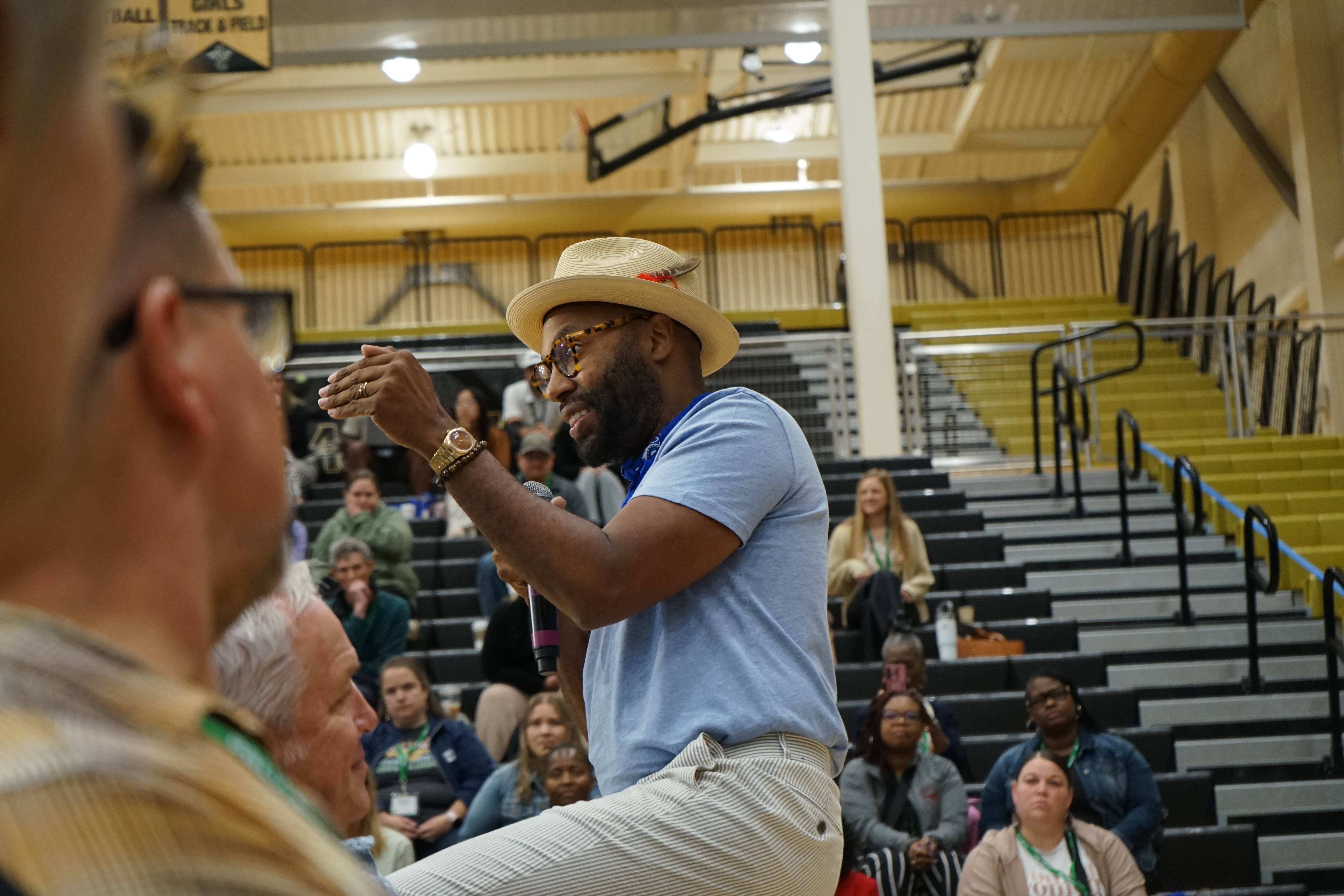
Two PBL World moments really stand out: The first was Dr. Christopher Emdin’s keynote. I don’t know how anyone could have left there as the same person, with the same mindset.
His reflections on possibility, bravery, and legacy were incredibly powerful and really shifted how I think about what it means to be an educator. The second was hearing directly from student alumni panel who had experienced Project Based Learning in high school and were reflecting on its impact years after graduating. Listening to how PBL continued to shape their learning, career paths, and contributions to their communities reinforced exactly why we do this work.
10. What advice would you give educators considering PBL World for the first time?
Go, whatever it takes. Ask questions. Learn from other schools. There are many ways to implement Project Based Learning, and no single right path. Start small. Take one thing you learned and try it. Stay open and keep learning. Project Based Learning evolves as your community and your students’ needs evolve. If you stay grounded in why you started, you’ll find your way forward.
Join us for PBL World 2026!
About PBL World
PBL World is PBLWorks’ multi-day conference for K–12 educators, instructional coaches, and school and district leaders who want to begin or deepen their Project Based Learning practice—while connecting with a like-minded community.
Dates: June 15–18, 2026 (pre-conference on June 15)
Pricing: $1,400 (June 16–18) | Pre-conference: $300