


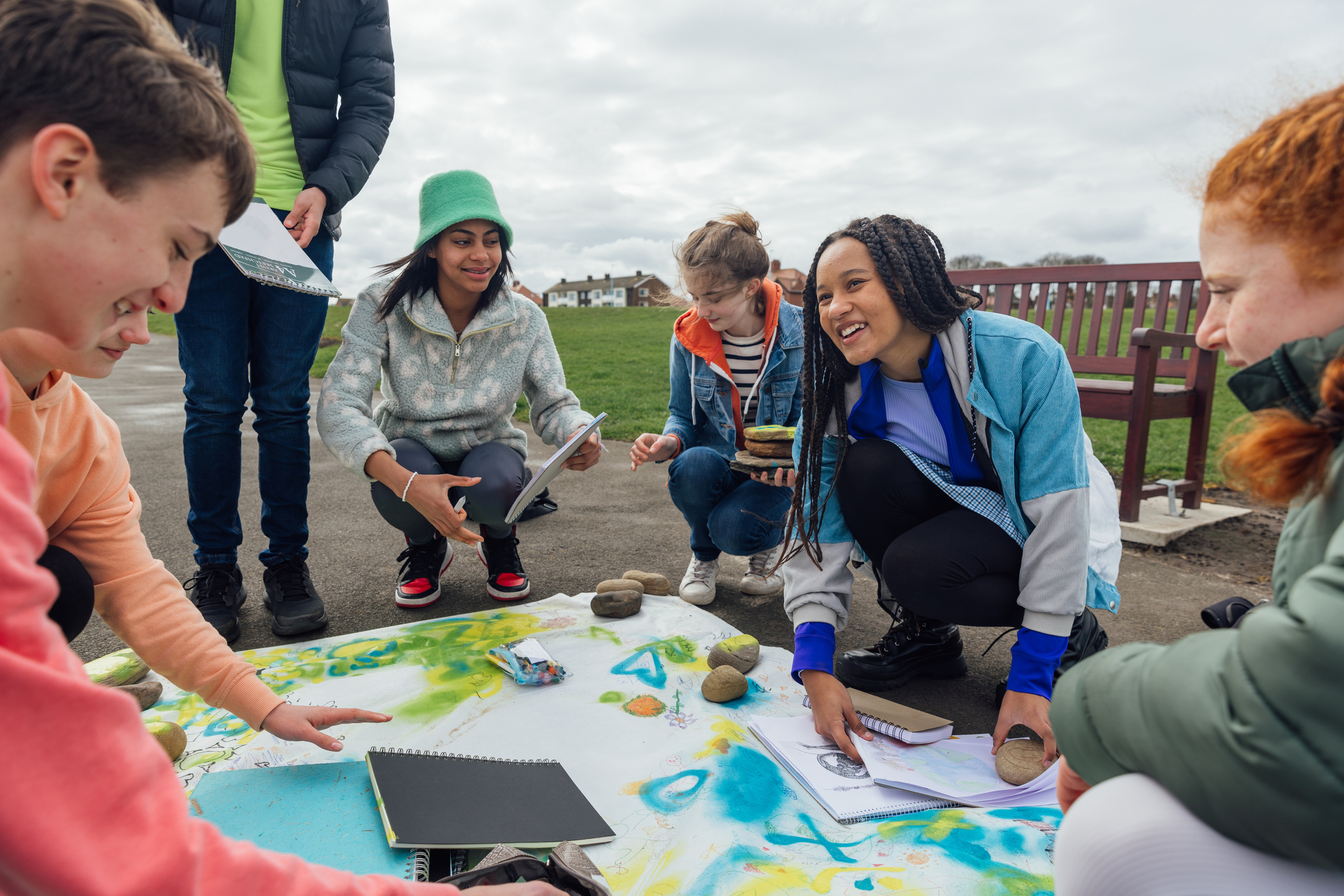
Environmental issues shape many aspects of the world our students are growing up in. Helping young people understand these challenges and explore ways they can make a difference has become an important part of learning today.
Project Based Learning supports this work by engaging students in meaningful, real-world investigations. Environmental science offers a powerful context for this learning, allowing students to explore issues that impact their communities and the planet while building the knowledge and skills that prepare them for college, careers, and civic life.
Interest in environmental fields is also growing:
- Nearly 30% of U.S. colleges offer environmental science or related majors, reflecting strong student interest in the field.
- Career opportunities in environmental and related fields are expected to expand in the coming decade, particularly as public agencies and organizations seek new professionals to address environmental challenges.
Threats to ecosystems and natural resources will continue to shape the future our students inherit, and building environmental literacy is essential to creating a more sustainable path forward.
At a time when misinformation and skepticism are widespread, cultivating informed and environmentally aware citizens is critical. As former Seattle Mayor Mike McGinn once said, today’s students may be “the last generation who can do something about it.”
Most science frameworks recognize this. The NGSS, for example, have integrated opportunities for investigating human impact into every grade level. Additionally, more and more states are adding environmental emphasis to their own programs;
- Pennsylvania’s STEELS standards include emphasis on environmental literacy and sustainability.
- California has produced a Blueprint for Environmental Literacy integrated into not just science, but state-adopted social studies and arts frameworks.
- In Maryland, environmental literacy is a graduation requirement.
- Washington DC has a similar requirement but includes environmental justice as well.
These efforts reflect a growing recognition that understanding environmental challenges is not optional, but an essential part of preparing students for the future.
For a full review of this trend, you can look at this 2022 report.
The stakes involved in cultivating environmentally minded and sustainability inclined learners also mean the job of building environmental literacy should not be left as the sole purview of the science teacher. A PBL teacher of any subject can play a role in equipping their learners with the skills that will be critical in solving the Earth’s most urgent problems:
- Math: Data gathering, statistics, and math communication are key skills for supporting the need for conservation and mitigation projects or designing studies that measure ecosystem health.
- Social Studies: Environmental policy exists at the local to global level, so being able to understand the organization of government and the role of lobbying in our political system is key to everything from coordinating large-scale mitigation projects to garnering the public support needed to sustain them.
- English Language Arts: Oral communication and strong written language skills, especially persuasive ones, are the foundation for so much of what environmentalists do.
Given all of this, if you, like me, believe PBL is the best way to prepare learners for their future, and one of the most important aspects of that future is understanding how to protect the environment they inhabit, how do you get started?
There are many excellent resources you can utilize in order to bring environmentally-themes PBL into your classroom. Here are three of the best:
1. Teach environmental science across the curriculum. The battle to save the planet is one that requires multiple disciplines, so get your learners involved in projects that incorporate multiple content areas. The PBLWorks project library has a multitude of projects aligned to environmental science standards that incorporate other subjects. Of particular interest are Quadrats to Biodiversity which guides students through sampling and monitoring processes that form the backbone of all field-based research, Inspired by Nature that introduces younger learners to problem solving through biomimicry, and Hands on The Land, which explores how land policy is influenced through collaborative means.
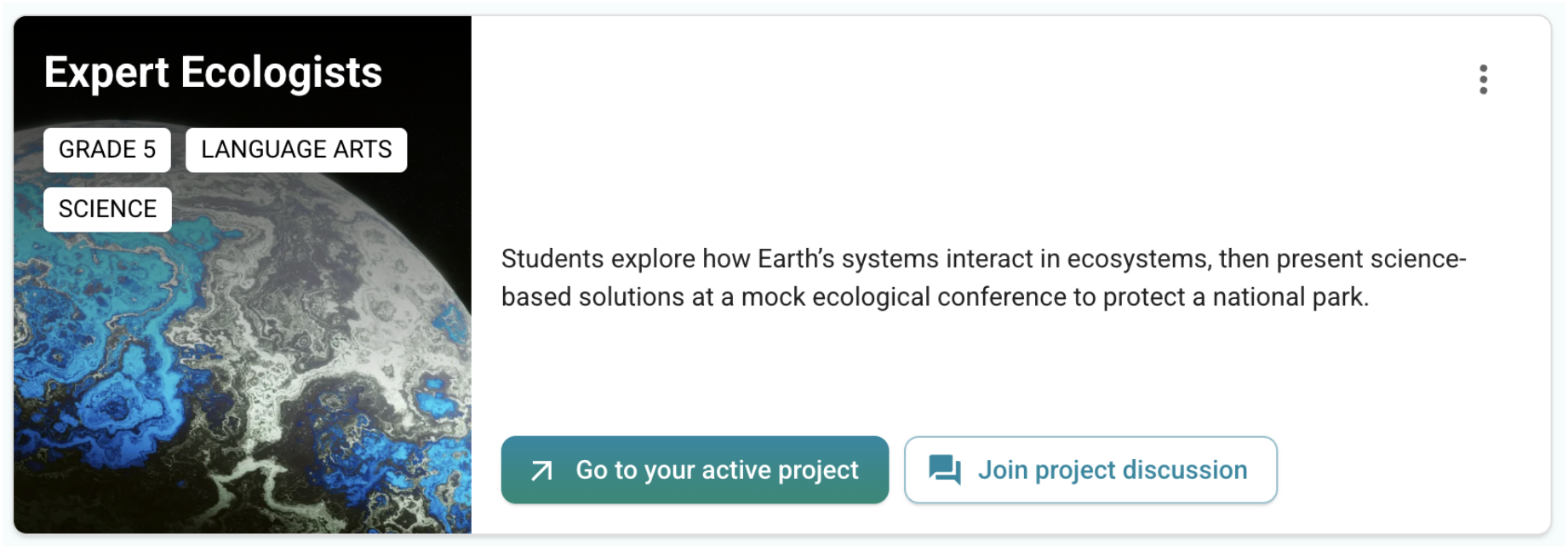
PBLWorks TEACH™, our web-based platform, also offers fully developed, ready-to-use PBL curriculum units, including Digging Deep, Expert Ecologists, Pollinator Problems, Plastic World, and now Inspired by Nature.
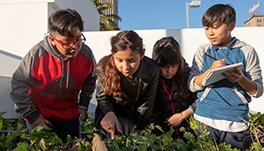
2. Incorporate the real-world processes and real professionals. If you want your budding scientists to really understand what it’s like to do the work of saving the planet (which isn’t always glamorous), they need to experience it. Take them outside to participate in bioblitz projects or monitoring efforts. Bring outside experts from public lands agencies like the National Park Service or in state or local government into your classroom to contextualize the science students are learning about. Connect with conservation groups in your area who might be doing invasive species removal or water quality monitoring (this PBL project can be done in any community within a reasonable distance of a waterway!)
3. Reduce anxiety through action! Young people across the globe are aware that not enough is being done by those in power to mitigate and avoid our most serious environmental problems. As many as 45% of youth report heightened stress as "eco-anxiety" continues to rise. We can combat this feeling and help the mental health of our learners through projects that make a local impact. Make sure your PBL projects all result in some sort of immediate and observable difference. Have them create an energy conservation plan for their homes or classrooms and then calculate the reduced carbon emissions from the energy they saved. Produce a plan for composting school lunch waste or measuring and comparing trash output in your class before and after their recycling/upcycling plan is put into effect.
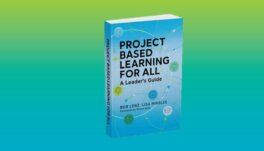
And if you’d like a text to reference or service as a companion, be sure to check this book, which has loads more project examples as well as tips for your students to support them in creating the environmentally-sustainable future we all deserve!