





I started my education journey at a career academy as a social studies teacher, and I came in with a pretty predictable plan. Teach solid content, make history interesting, and use a few creative scenarios to help students step into different time periods.
Our principal encouraged us to visit other classrooms, and the CTE wing reset my whole outlook. CTE classes were not just engaging in fictitious scenarios, they were doing real work. Culinary students cooked for community events. Automotive students fixed real cars, including those that belonged to teachers in the building. Cosmetology students delivered real services to others, and they had to get things right because someone was literally in the chair. Nobody was pretending.
What really shifted my thinking was sitting in on a graphic arts class. It felt more like a studio than a classroom. The teams were not winging it. They had what PBLWorks describes in its Creating and Using Team Contracts Strategy Guide, which is a clear agreement about contributions, collaboration, and how the team will handle problems. Students had clear roles, and teams could explain what they were designing, why they were designing it, and what had changed since the last round of feedback. Quality was not based on points. It was based on whether the work met the expectations of their customers.
That contrast did something to me. My teaching felt polished, but theirs was anchored in real work. I wanted my history class to move closer to that authenticity, and I had some serious work to do. In Gold Standard PBL, authenticity is one of the core design elements for a reason. When the work connects to real roles, real issues, and real audiences, students are not just completing tasks. They are doing work that has a purpose beyond the classroom.
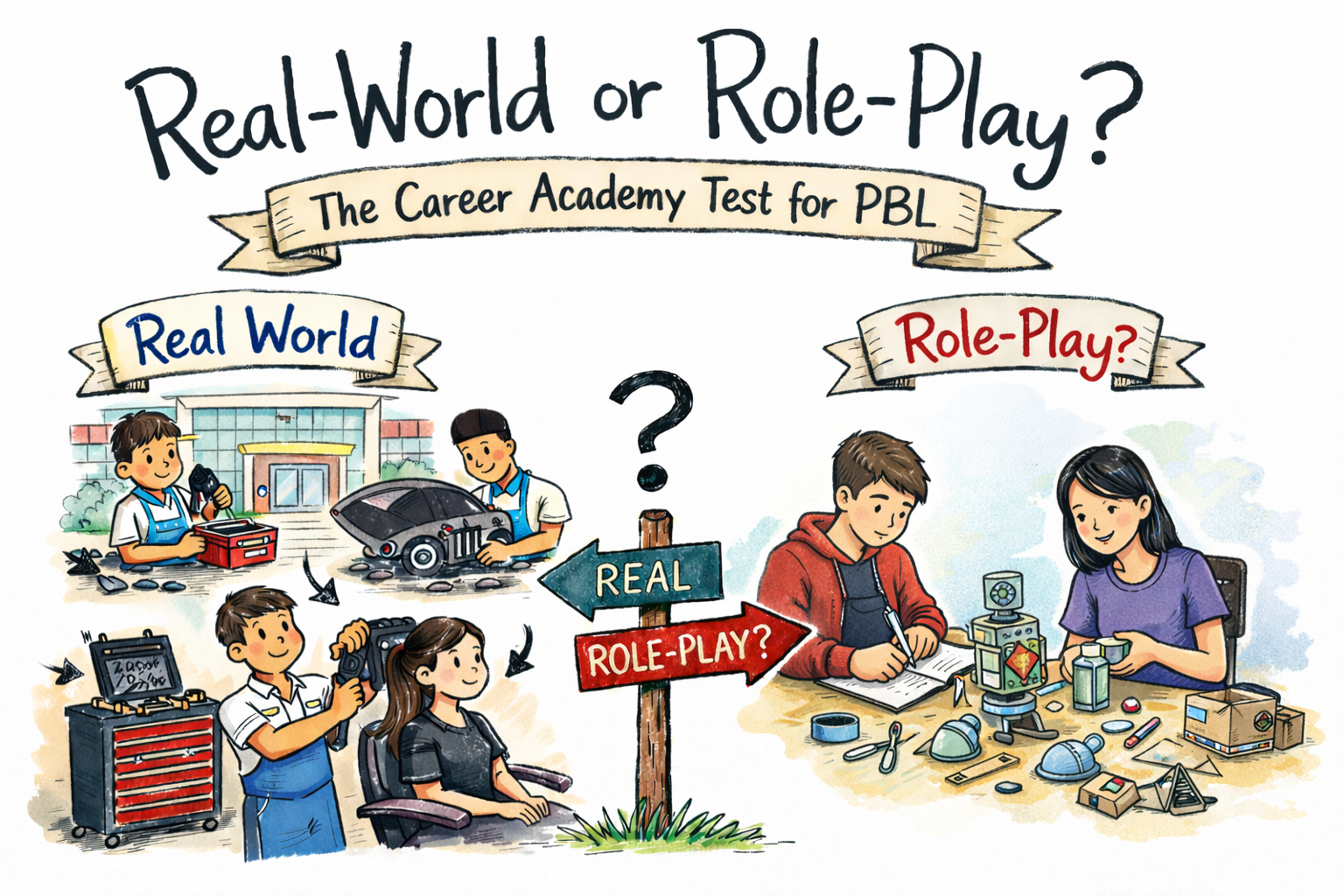
The Career Academy Test
After those visits, I needed a compass that could point toward more authenticity in my planning. I started asking myself, “Is this an authentic task with a real role, or is it a fictitious scenario dressed up as one?”
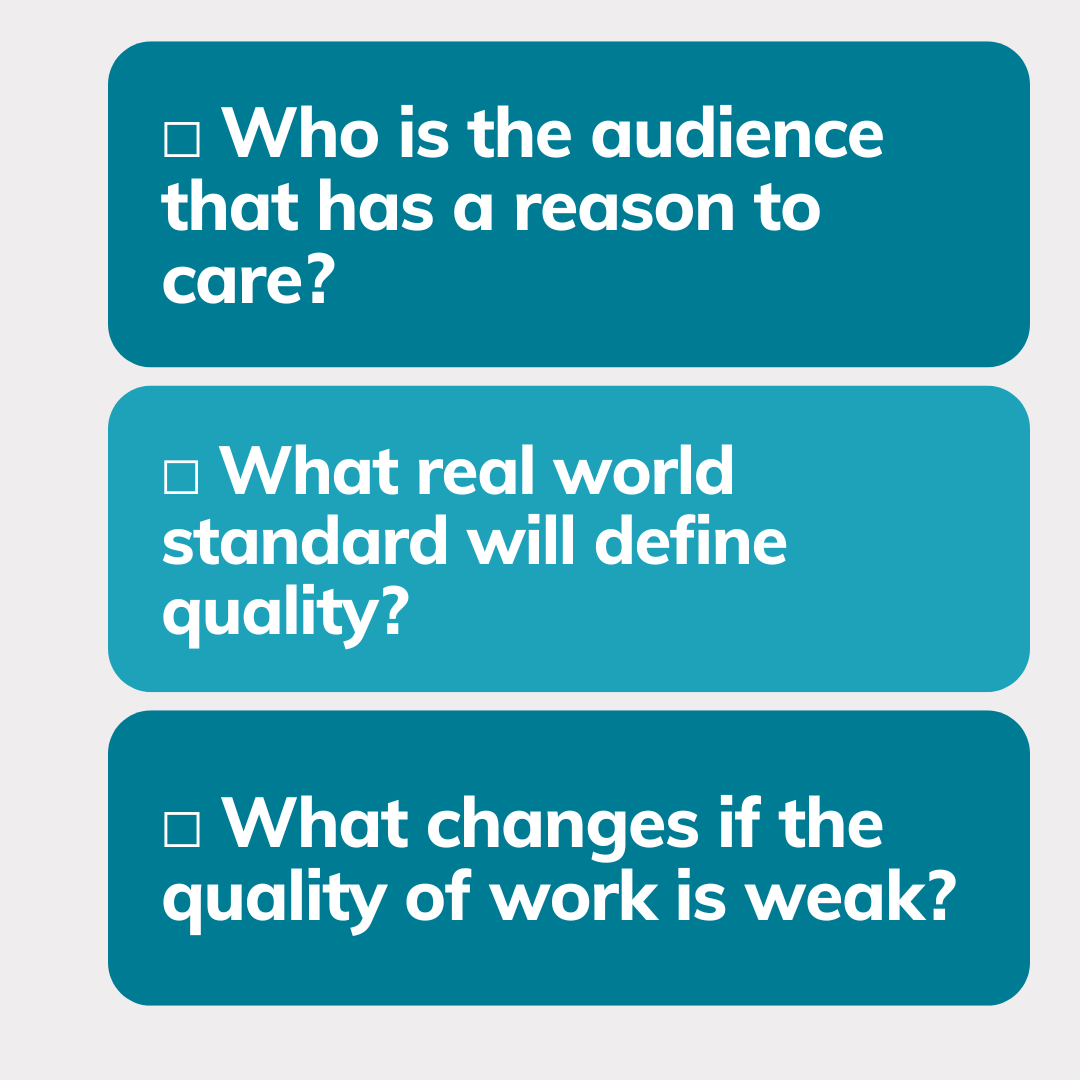
I decided to push a bit further. Who is the audience that has a reason to care? What real world standard will define quality? What changes if the quality of work is weak? When those answers were clear for me, the task usually had traction. When they were vague, the work still lived and died inside my classroom.
That is when I had to look at my own habits. I had been leaning hard on role-play. Pretend you are Abraham Lincoln. Pretend you write for a colonial newspaper. Those prompts can be fun, and they can build background knowledge, but they also make it easy to confuse activity with authenticity. If the work is weak, nothing changes besides a grade. That started to matter more to me after watching CTE classrooms. In those spaces, students were not just learning content. They were practicing the kinds of skills that come with authentic learning environments, like managing time, navigating team issues, responding to feedback, and improving work that other people would actually see or use. I started to see that more authenticity was not just better for motivation, but it also could lead to stronger work, since students had a real reason to care about quality.
My Pivot
Once I could recognize the difference between fictitious scenarios and real work, I still had a problem on my hands. I wanted authentic work with a real destination, but I still had U.S. History standards to teach and limited time. I wanted a task that naturally used historical thinking, and an audience that would actually care about what students learned and shared.
A partner ELA teacher and I designed a project that felt like a true pivot. Students took on the role of documentary filmmakers and tackled an underaddressed local social issue, then connected that issue to the U.S. History and ELA standards we were teaching. They researched, interviewed, tested claims against evidence, and made careful choices about what to include and what to leave out. Because community members would be watching, students had to be accurate, clear, and compelling. We put a film festival on the calendar and invited people connected to the issue, and that public moment really raised the bar. Clarity mattered. Evidence mattered. Editing mattered. The work felt more legitimate because it had an actual purpose and real accountability.
Practical Tips to Pass the Career Academy Test
That documentary project worked because a few design choices kept it from drifting back into a fictitious scenario.
Those same design choices can be used in any core class. Before I review the tips, this table helps to make the distinction concrete by naming the difference between simulated tasks and authentic work with real roles, real standards, and real audiences:
Subject | Simulated Task | Authentic Task |
| History | Pretend you are a historical figure writing a speech | |
| ELA | Pretend you are a book reviewer | Write and publish reviews, op-eds, or feature pieces for a real publication, school outlet, or community partner with editorial expectations |
| Science | Pretend you are an environmental scientist writing a report | Investigate a local environmental or public health issue, analyze the data, and present findings to a group that can use the results to make decisions |
| Math | Pretend you are a financial advisor building a budget | Create a budget, pricing plan, or data analysis report for a real school, team, or community need that requires an actual recommendation |
The tips below break down the specific moves that help a project make that shift and pass the Career Academy Test.

Tip #1: Start with a Real Role that Makes Sense for Your Subject. Pick a role that already fits the standards being taught. In history, that might be documentary filmmaker, museum curator, journalist, or policy advisor. In ELA, it could be columnist, editor, reviewer, or podcast producer. In science, it might be field researcher or public health analyst. In math, it could be data analyst or budget planner. When the role matches the discipline, students use the content and habits of mind in a way that feels connected to real work, not a fictitious scenario
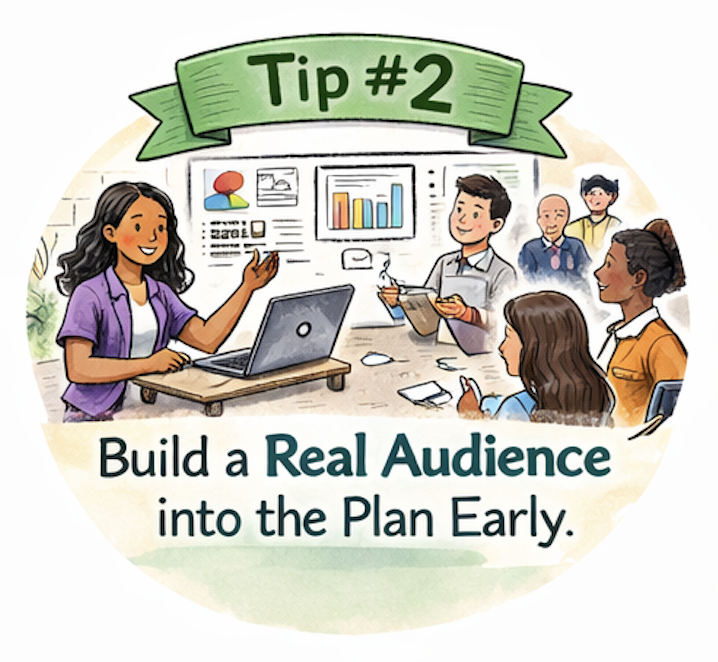
Tip #2: Build a Real Audience into the Plan Early. A real audience is not just people in the room on presentation day. The key question is simple: Who has a reason to care, and what would they do differently because of the work? To avoid a contrived audience, connect the project to a real stakeholder tied to the topic. It might be a historic site staff member in history, an editor or communications lead in ELA, a public health professional in science, or a financial planner in math. A general community audience can still be a strong final event audience, or perhaps other students (peers or younger). However, the project gets even stronger when students also build for an audience that can offer informed feedback or use the work in a meaningful way. That is where accountability starts to feel real.
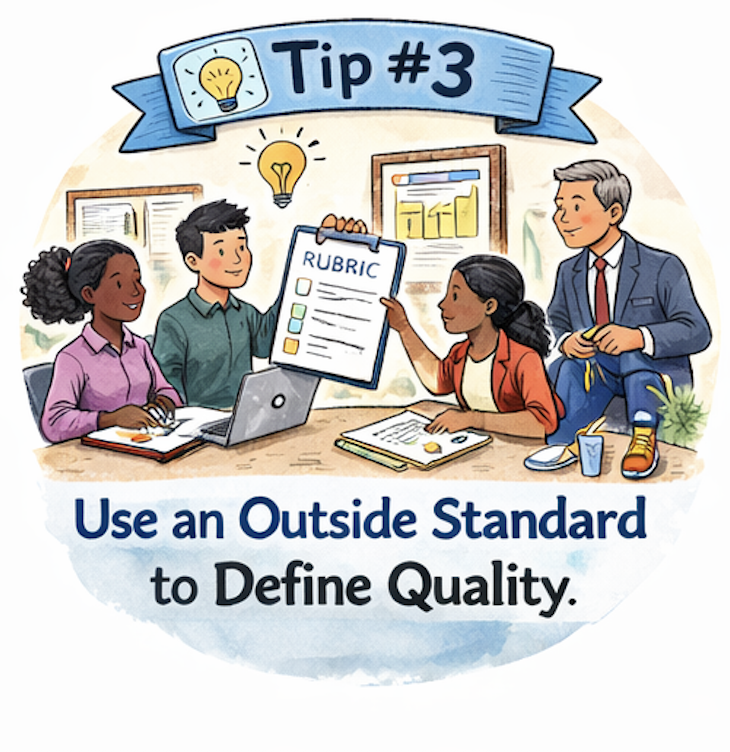
Tip #3: Use an Outside Standard to Define Quality. One of the biggest differences between my classroom and the CTE wing was how clearly quality was defined. A simple way to start is to study strong models of authentic work and pull out the elements that make them effective. Teachers and students can also build their understanding of real-world criteria by reviewing professional examples and guidelines, and (when possible) talking with people who do that kind of work. Even one short conversation with a journalist, museum educator, scientist, or community partner can clarify the expectations for quality. When quality is defined by something outside the teacher’s preferences, feedback gets easier and revision becomes more natural.
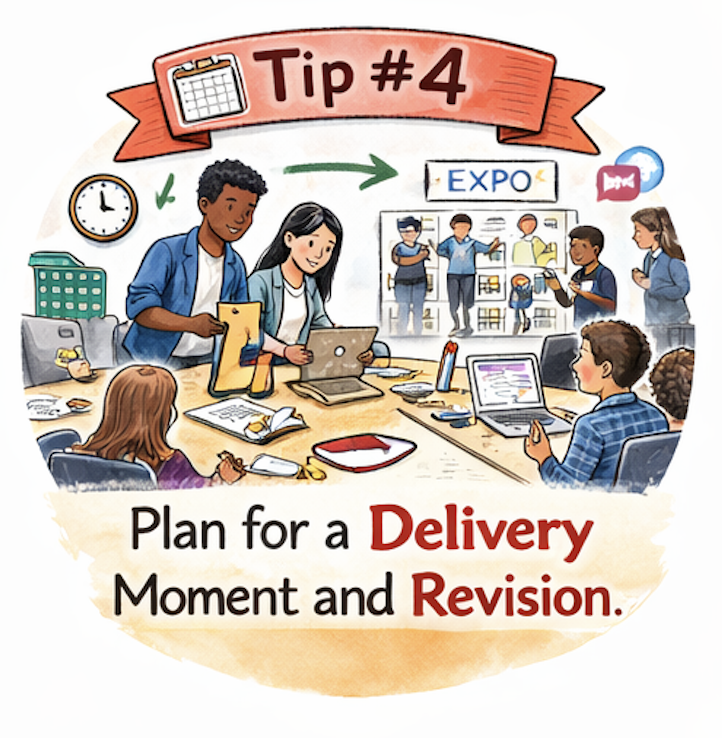
Tip #4: Replace a Due Date with a Delivery Moment and Plan for Revision. When the only finish line is “turn it in,” the work usually still feels school-ish. Put a delivery moment on the calendar early, then build in critique and time to revise. That is where the work starts to feel like the CTE side of the building, because quality actually matters and the product has to hold up.
Why This Matters Right Now and a CTE Month Challenge
With CTE on the rise, it's a great time to celebrate career academies and learn from them. These classrooms are not just more hands-on. They run on real roles, real standards, and real work with a real destination. Core classes do not need to cosplay a career pathway to get more authentic.
The better move is to borrow the CTE practices and apply them to their content. Try this CTE Month challenge. Take the next project and run the Career Academy Test: “Is this an authentic task with a real role, or a fictitious scenario dressed up as one?” Name the audience, the quality standard, and what changes if quality is weak.
Start with one move from the tips above. Tighten the role. Identify an audience that has a reason to care. Use a stronger standard for quality. Build in a real delivery moment with revision. Then, watch what changes in the work and in the way students respond. Perfection is not the goal, momentum is. Keep making the next version more real than the last.