





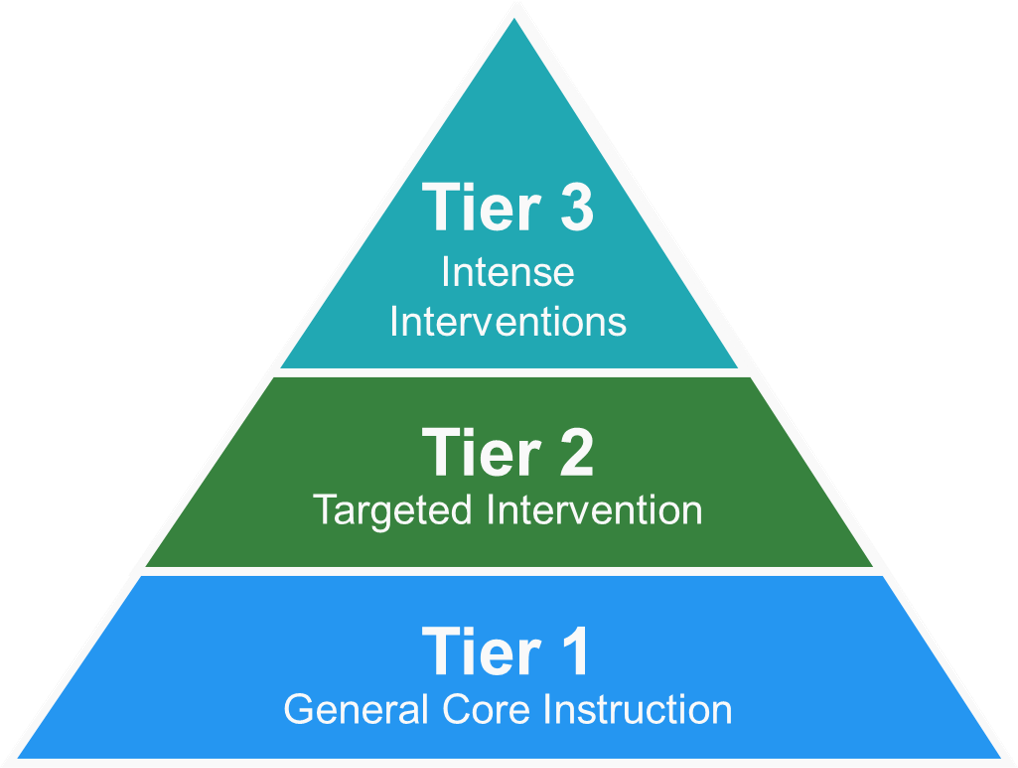
School and district leaders typically focus on strengthening Tier 1 instruction to increase student achievement outcomes, especially in literacy and math. Comprehensive Tier 1 instruction is considered an essential part of an effective multi-tiered system of support (American Institutes for Research, 2026). My message is: High quality Tier 1 instruction and Project Based Learning (PBL) are not separate from each other.
As I have seen from my work as a middle school instructional coach and leader, PBL that is well implemented can (and should) incorporate the strategies for comprehensive Tier 1 instruction. PBL also addresses the particular needs of middle school learners for active engagement, peer connection, and voice and choice in their learning.
The Need for Engagement in Middle School
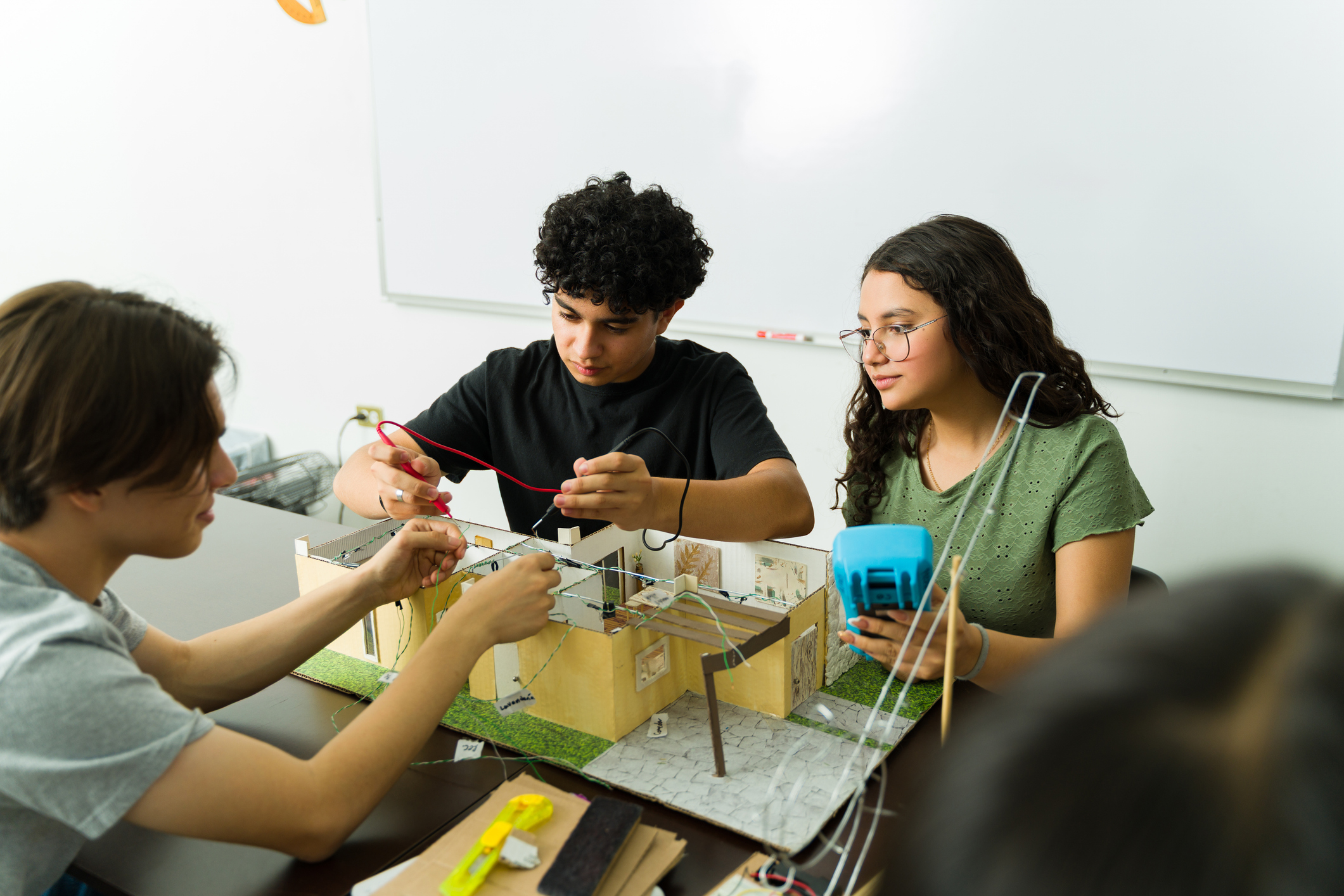
The need for engagement is especially true in the middle grades, where students seek learning experiences that are meaningful, challenging, and allow for peer connections. Engagement is highlighted in many Tier 1 resources, such as AIR’s Considerations for Improving Tier 1 Instruction, Curriculum, and Environment.
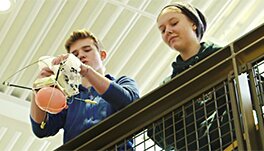
On a personal level, as a parent of three middle school-aged children, I think about this often when my children share about their day at school. The experiences they highlight include opportunities to collaborate with their peers and apply their learning in authentic ways; such as when they were able to apply their new language skills to narrate a video or collaborate to design a prototype of a cell phone tower.
This article from the Hechinger Report reinforces what I’ve seen, suggesting that middle schools should “capitalize on kids’ interest in their peers” in designing learning experiences that activate positive peer influence. Similarly, the report suggests that students in the middle grades should also be given “voice and choice” and allowed to pick projects and partners, when appropriate.
Project Based Teaching Practices Support Tier 1
I began my career as a middle grades teacher, teaching humanities for grades 5-8. As I transitioned across schools and roles, I realized that I needed to be much more intentional about building the conditions for Project Based Learning. This meant creating systems for managing activities, scaffolding student learning, and building a classroom culture that supports collaboration and inquiry. These are three of the Project Based Teaching Practices in the PBLWorks model for Gold Standard PBL, which is an especially useful framework for both supporting and shifting what high quality Tier 1 instruction looks like.
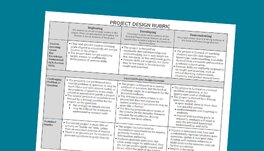
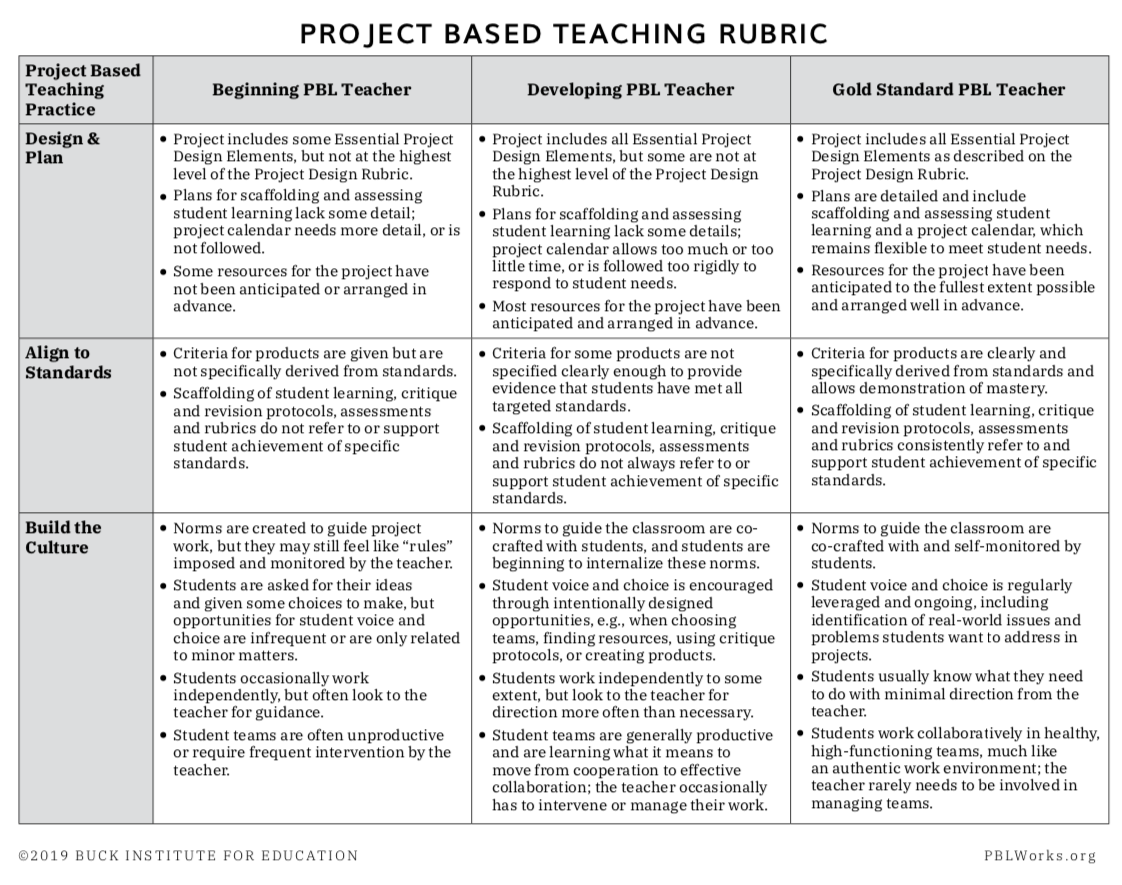
Currently, when partnering with middle school teachers as a coach or leader, I have often found myself focusing on those three key practices in supporting the shift to project based teaching. The Project Based Teaching Rubric helps me to be specific in coaching teachers on how to move along this continuum.
Reframing Work Time as Instructional Time
Tier 1 often includes active learning and collaborative learning. In a PBL classroom, this requires the teacher to skillfully manage various activities and scaffold team work. For example, I often work with teams of teachers and observe some classrooms where student groups require frequent teacher intervention, while in others students work collaboratively in healthy, high-functioning teams.
One of the most important shifts in Project Based Learning is how teachers view project work time. I was once asked by a beginning middle school social studies teacher to observe them while the students were working in groups during their project work time. I realized that the teacher didn’t necessarily see that time as Tier 1 instructional time since they were not leading the class.
I have also seen teachers initially struggle with “giving up control,” especially when students are working in groups. In effective middle school PBL classrooms, the effective use of project work time is explicitly taught. Teachers and students establish norms and routines together, use tools like anchor charts or project walls, and create clear expectations for collaboration and deliverables. When this is in place, work time becomes a space where students take ownership and teachers facilitate learning more intentionally.
Strategy Guides Provide “Just in Time” Professional Learning Resources
Like the Project Based Teaching Rubric, the PBLWorks “Strategy Guides” also offer a powerful coaching tool for supporting shifts in Tier 1 instruction. As a National Faculty member facilitating PBLWorks workshops, I frequently share these resources with participants who are seeking to implement a specific strategy into their project or are beginning to think about scaffolding and project management.
- The Thinking Routines Strategy Guide offers a clear way to scaffold student learning, specifically inquiry, which is essential in PBL. I find these especially helpful in 5th and 6th grade classrooms to build both the language and the skills around inquiry and reflection.
- The Work Time Strategy Guide provides clarity on what work time might look like and how to structure and scaffold it effectively.
- The Creating and Using Norms to Build Effective Culture Strategy Guide supports teachers in this key practice, which is also called out in many Tier 1 resources.
You can find many more Strategy Guides on the PBLWorks website. If you’re using the project-based curriculum units in our TEACH app, you’ll see these strategies and many more that align with high-quality Tier 1 instruction embedded into the lessons provided. As you dig into these resources, I think it will be clear: Tier 1 and PBL can go hand-in-hand in improving student learning and engagement, in middle school and in all grade levels.
- Wagner, K. (2025). Want to boost student engagement? Implement Gold Standard PBL. PBL Evidence Matters, 4(3).
- Klein, A. (2025). Middle school’s moment: What the science tells us about improving the middle grades. The Hechinger Report. The Hechinger Report
- . (n.d.). Multi-tiered systems of supports. AIR MTSS Resource Page