

The end of the school year is always full.
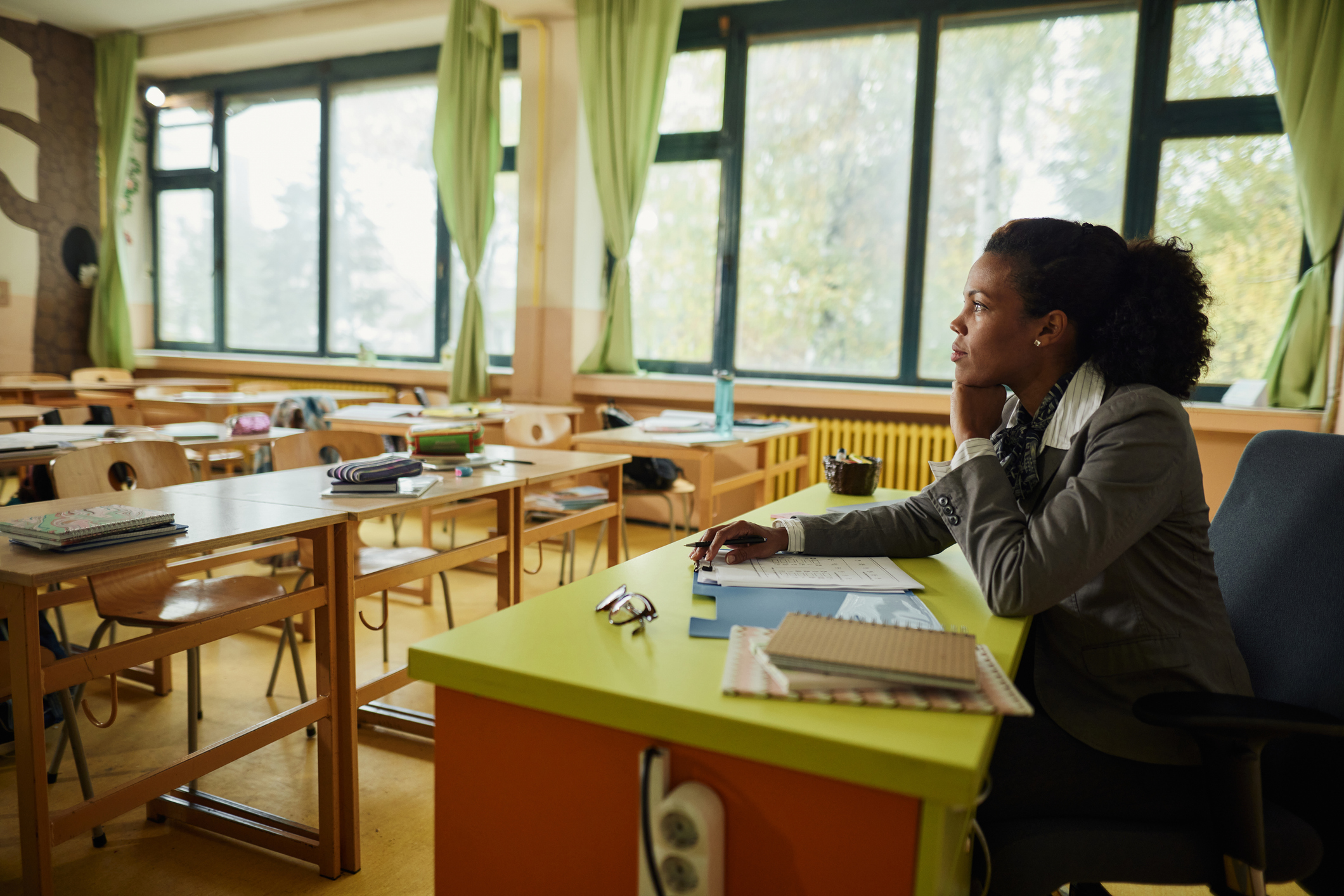
There are showcases to prepare, final assessments to complete, and report cards to finalize. Classrooms begin to empty. Materials are packed away. The physical space starts reflecting what’s happening in the learning experience itself: things are coming to a close.
In the middle of all of this, reflection and documentation can feel like one more thing being added to an already overwhelming end-of-year checklist. But this is actually an important moment of the year to pause, listen, and collect artifacts of Project Based Learning experiences.
Because what happens in these final weeks is not only about closure. It’s about capturing learning while it is still visible, fresh, and felt at the end of a cycle. Sometimes, the most meaningful insights are already sitting quietly within the classroom environment itself: a quick takeaway written on a sticky note at the end of class, a draft filled with revisions, a student reflection taped to the wall, a sketch from the beginning of a project, or an anchor chart with Need to Know Questions documenting the evolution of thinking over time.
To make this time meaningful, consider focusing on these four reflection and documentation practices that move beyond closure and help shape future Project Based Learning experiences.
1. Document Learning → What did I learn?
Reflection helps students make meaning of their experiences rather than simply moving on from them. PBLWorks offers a Self-Reflection on Project Work tool that can be used at the end of a project to help students think deeply about their process, growth, collaboration, and learning outcomes. But reflection doesn’t need to stay connected to a single project. This can also become a broader opportunity (especially at the end of the school year) for students to reflect on their Project Based Learning experiences across the year. Students might reflect on questions like:
- What learning experiences felt most meaningful?
- When did I feel most engaged?
- What challenged me?
- What am I most proud of?
- What helped me learn best?
These reflections can also become valuable inputs for educators and school leaders as they begin planning for the following year.
Another meaningful reflection strategy is creating space for structured student dialogue. In her Edutopia article “3 End-of-Year Reflection Strategies for Students,” educator Rebecca Alber highlights the use of Socratic seminars as a way to help students collectively reflect on important learning.
2. Reflect on Learner Identity → Who did I become as a learner?
Reflection is not only about what students learned. It is also about who they are becoming. If your school or district uses a Portrait of a Graduate or Learner Profile, this is a powerful opportunity for students to reflect on how they’ve evolved within these attributes and competencies over the course of the year. Invite students to identify specific moments, projects, or experiences where they demonstrated collaboration, empathy, agency, curiosity, resilience, communication, or leadership.
One meaningful strategy is storyboarding. We recently shared a blog on storyboarding as a form of documentation, and this can be a powerful end-of-year reflection structure. Invite students to choose one or two moments from the year and visually document experiences where they realized they were growing as learners and individuals. What makes this approach particularly appealing is that it can be adapted for any age group, from early childhood through high school and beyond.
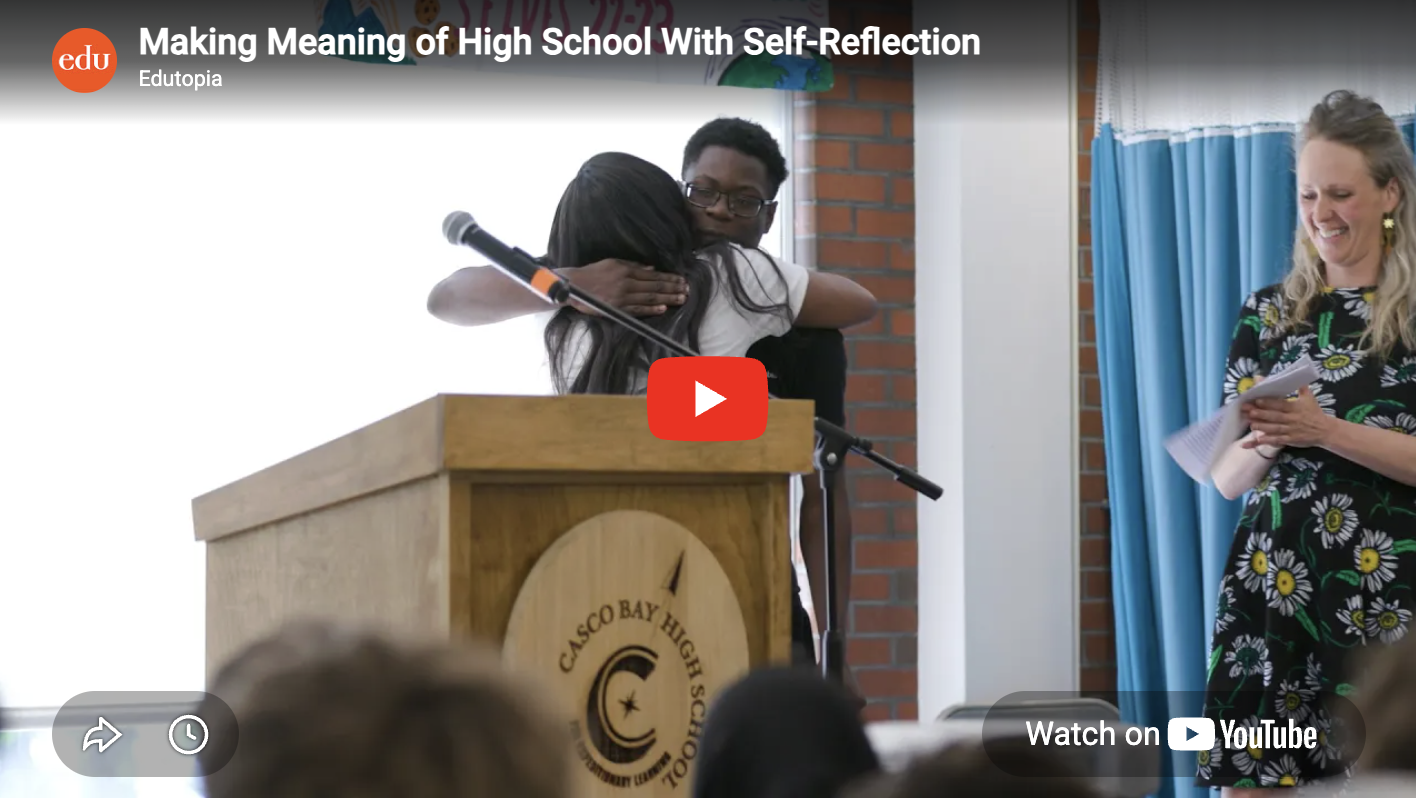
A powerful example of reflection on learner identity comes from an Edutopia feature on Casco Bay High School, where graduating seniors craft and publicly share personal reflections on who they’ve become throughout high school. Through guided writing, storytelling, and public presentation, students are invited to make meaning of their experiences, challenges, growth, and aspirations for the future.
3. Student Voice for Design → What should change moving forward?
The end of the year is also an important opportunity to elevate student voice as part of continuous improvement.
Students experience learning environments every day, and their perspectives can provide valuable insights into what supported learning, what created barriers, and what could evolve moving forward.
Even when educators return to projects year after year, no two learning experiences are ever exactly the same. Every group of students brings a different set of experiences, questions, perspectives, identities, curiosities, and needs into the classroom. Because of this, projects naturally continue to evolve. Small adjustments, new entry points, revised structures, different supports, and fresh ideas often emerge directly from listening to students.
In many ways, this process mirrors the collaborative design practices often used in Project Based Learning. Just as educators revisit, critique, and refine projects over time, students can also become part of that reflective process by helping identify what supported learning, what created challenges, and what new possibilities could strengthen future experiences.
Invite students to reflect not only on what they enjoyed, but on what genuinely helped them learn:
- Which project structures supported their success?
- What kinds of collaboration worked well?
- Which supports or scaffolds were most helpful?
- When did they feel ownership over their learning?
- What changes would improve future projects or classroom culture?
This process helps students see themselves not only as participants in learning, but as contributors to the design of learning itself.
4. Curate & Preserve Learning Artifacts → What evidence tells the story of learning?
Before pieces of evidence are taken off the classroom walls and digital folders disappear into archives, create intentional opportunities to curate and preserve artifacts that document students' learning journeys.
Revisit student work such as drafts, journals, reflections, presentations, photos, videos, and final products. Rather than viewing these as isolated pieces, consider how they tell a larger story of growth, revision, problem-solving, and learning over time.
As you curate artifacts, look for evidence that captures different moments across the project journey—from early questions and initial ideas to feedback, revisions, and final products. The goal is not simply to save exemplary work, but to preserve evidence of how learning unfolded.
Artifacts can become part of:
- Digital portfolios
- Student-led conferences
- Exhibitions and showcases
- Transition conversations for the following school year
- Classroom documentation of growth over time
This is also an opportunity for educators and school leaders to look across artifacts collectively and identify patterns:
- Which experiences generated the deepest engagement?
- What competencies became visible?
- What stories of growth emerged?
- What evidence should help shape future learning experiences?
When we intentionally pause to document, reflect, listen, and preserve learning, end-of-year reflection becomes more than closure. It becomes part of the design process for what comes next. Documentation, in many ways, becomes a driving force for creating a more responsive curriculum, one that evolves from the lived experiences, questions, growth, and feedback of learners themselves.
📖 Looking Ahead
We know that documentation and reflection are not always easy to sustain throughout the school year. Daily schedules, competing priorities, and the pace of teaching can often make these practices feel difficult to maintain consistently. But documentation does not need to become a large end-of-year task. Sometimes, just a few intentional minutes each week can help capture powerful moments of learning over time.
As we move into the upcoming school year, we’ll continue sharing simple strategies and routines that can help make reflection and documentation an ongoing classroom practice rather than something saved only for the end of the year.