









The Story of a Community Action Project
While the traditional classroom setting lends itself to deep project work, it is not the only space where meaningful PBL can succeed. Teachers working in roles such as itinerant teachers, gifted specialists, interventionists, STEM/STEAM lab teachers, counselors, summer camp staff, or any other educators who have limited contact with students can successfully implement PBL when they adjust delivery structures while remaining rooted in the Gold Standard PBL Essential Design Elements. These settings require intentional design, but lend themselves to authentic project experiences despite the limited contact time and unconventional learning environment.
When I transitioned to a new role as an itinerant teacher, I faced the challenge of servicing multiple schools and seeing students only one day per week. With such limited instructional time, I kept returning to one question: How might I implement meaningful PBL with such time constraints? My first instinct was to script more of the process, narrow student choice, and rush inquiry in an effort to maintain control–a response I imagine many educators with limited time can relate to.
But I remembered something I learned early in my PBL journey: when teachers try to control too much of the work, the overall student agency and ownership diminishes. Students become dependent on the teacher before taking action and, ultimately, less invested in the project itself.
JusticeFest is an example of what can happen when student ownership, not time, drives the work.
Student Ownership Matters More Than Time
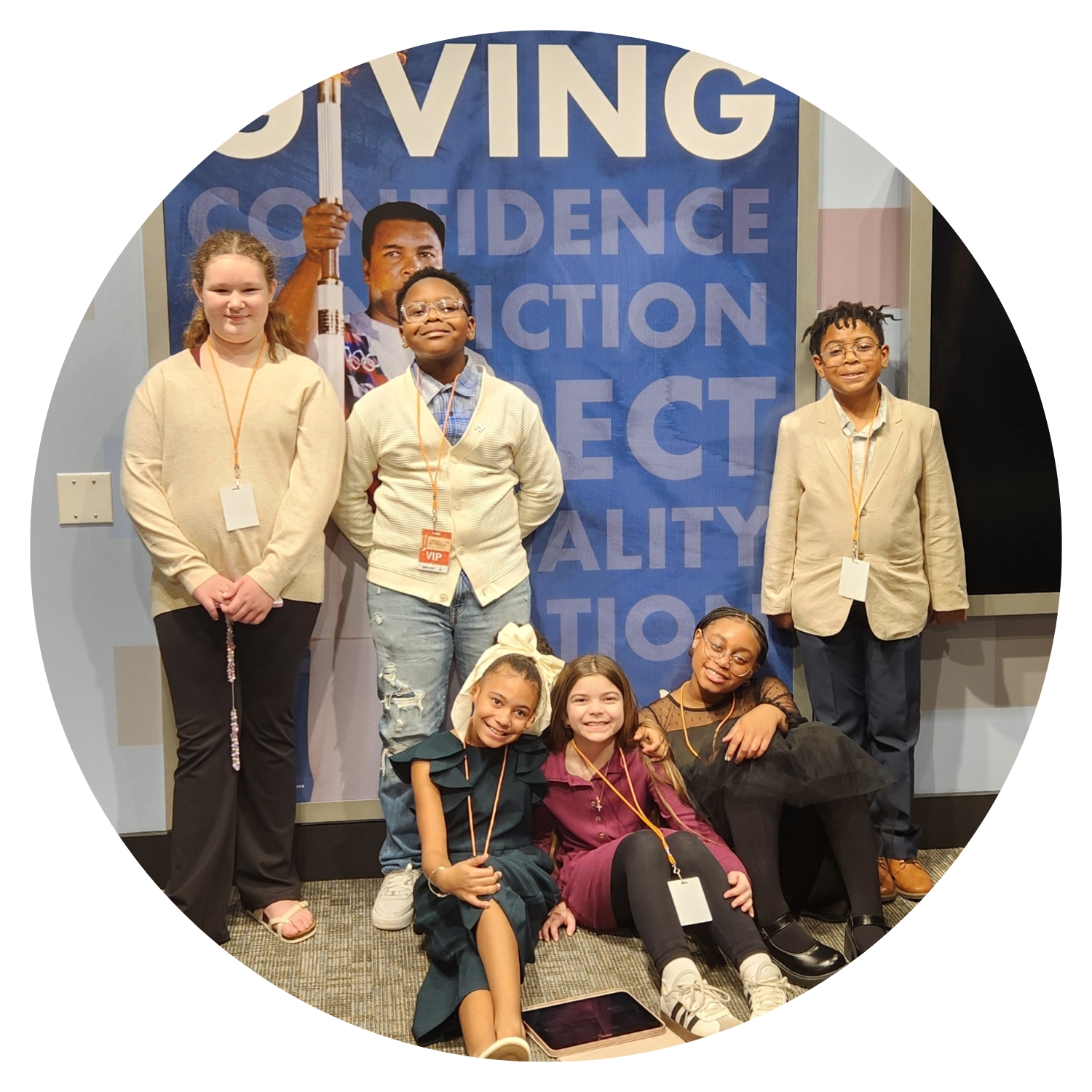
This year, a group of my students participated in JusticeFest, a community action event where students in Jefferson County Public Schools (Louisville, KY) identify issues impacting their community, research root causes, collaborate with community partners, and determine potential solutions. JusticeFest is part of the Kentucky Derby Festival Foundation and is highlighted by a one of a kind exhibition where students pitch their work to a curated panel who offers their commitments to the project. Commitments might be monetary, in-kind donations, support with marketing, or facilitating connections between students and additional partnerships.
The success of the project did not come from the amount of time we had together, but from the ownership students felt throughout the process.
Meaningful projects happen when students make decisions early and realize that their work has an impact outside of the classroom. The project belongs to the students, not the teacher.
Ultimately this project solidified my understanding that authentic PBL is not defined by the amount of face to face time with students, but rather the quality of opportunities students have to engage in leading, thinking, and making an impact.
Authentic Work Creates Real Investment
One of the biggest mistakes educators make when facing limited time is trying to plan every detail before students have even been introduced to the project. In these settings, our Knowledge of Students equity lever becomes especially important. In our efforts to plan in advance, we risk overlooking students’ interests, perspectives, and their lived experiences–all components that enrich and drive the project.
During the JusticeFest project launch, students were introduced to the 5 pillars of JusticeFest:
- Health Equity
- Acceptance and Equal Rights
- Educational Justice
- Environmental Justice
- Community Investment and Reform
Rather than being handed a list of approved topics and potential projects, the students took time to list the positive parts of their community under each pillar.
After celebrating the positives, students began listing areas for growth: the issues directly impacting their school and community. They initially landed on the Health Equity pillar, where the group had listed problems such as cancer, obesity, asthma, and difficulty accessing doctors. Their conversation grew organically and they began wondering if the headaches and asthma might be related to the smells and air pollution from the local industries. Students debated, asked questions, and landed on the direction of their work.
These conversations and early decisions mattered!
Since students determined the scope of their project, they dove right into the work. They began asking more questions, seeking answers, discussed ideas for the project outside of our work time and before the next class meeting came to our session with even more excitement. Time was not lost by turning things over to the students, momentum was created.
This is especially important when the students and teacher have limited contact. If students do not have the emotional investment in a project, work will not occur outside of the time together. When students care and are excited about the work, they will make the time to have conversations, seek solutions, and continue the work.
Structures Support Independence and Accountability
Another turning point in our work came when students realized that the stakes were high. JusticeFest was not a simulation or poster presentation for classmates. The work was extending far beyond the walls of the school. The work was tied to one of the most important, beloved times in Louisville: The Kentucky Derby Festival, with community members, families, educators, peers, and the local media in attendance. Students understood that people outside of school would be part of their journey and had the ability to help fund and support the project.
Student ideas ran rampant and the excitement was invigorating, but that does not mean that the teacher steps aside completely or that structure is removed from the process. Student-driven projects still require systems, accountability, and clear expectations.
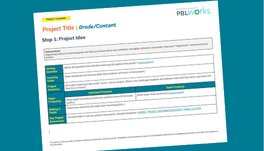
The PBLWorks Project Team Contract, Project Management Log and Project Work Report were critical tools in managing student expectations, accountability, and work outside of our limited time together. Our weekly class time started with a check in and reflection of the work completed and ended with determining the tasks to be completed before the next meeting. Communication with the students’ classroom teachers was critical so they understood the value, impact, and work students were completing. I shared the standards addressed and kept teachers apprised of the products students created throughout the project.
The project wasn’t perfect. At one point, a student failed to complete a critical task between sessions. While extremely frustrating to me, the team really took over and it became a valuable learning experience. Students communicated their frustrations, but didn’t live there. They began problem solving and landed on a new deadline for the task and a check in with another student leader in the group prior to the next whole group meeting. They set clear expectations for the work moving forward, a collaborative skill that likely would not have emerged if the mishap did not occur, or had I tried to step in and control the work.
PBL is not about perfectly managed timelines. It is about creating the conditions and implementing structures where students feel empowered to think, collaborate, communicate, adapt, and lead.
What JusticeFest Taught Me About Engagement Beyond the Classroom
JusticeFest reminded me that I shouldn’t ask myself “How do I make sure to accomplish everything in the time we have together?” But rather, “What makes students want to continue to do the work when I am not there?”
This mindset shift has changed how I view my role and those of other support teachers moving forward. The limited time we have with our students does not hinder meaningful PBL. In many ways, it forces us to return our attention back to the Essential Project Design Elements. When students are tasked with a challenging problem or task, make important decisions early, and engage in meaningful, authentic work that is presented to the public, the learning extends far beyond the classroom.
PBL doesn’t require the perfect conditions of time. It requires projects that students believe are worth their time.
Three Tips for Itinerant and Specialist Teachers Implementing PBL with Limited Time
- Prioritize student ownership early. Students are more likely to continue the work outside of class when they help shape the direction of the project from the beginning.
- Build authentic purpose into the work. Public audiences, community connections, and real-world relevance create investment that extends beyond limited class time.
- Use structures that support accountability, not control. Clear check-ins, peer collaboration, and project management tools help students work independently without the teacher managing every step.