


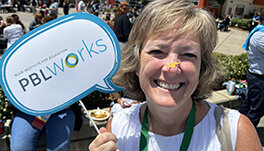
Each summer, educators from around the world gather at PBL World to explore how Project Based Learning can transform teaching and learning. For many, the experience is both professionally inspiring and personally meaningful.
Maria Grigori, a primary school educator in Athens, Greece, attended PBL World to deepen her understanding of Project Based Learning and explore how it could support both her classroom teaching and her doctoral research.
In this Q&A, Maria reflects on her experience attending both the Project Slice pre-conference workshop and the PBL 101 workshop, what surprised her most about PBL, and what she brought back to her classroom.
Tell us a bit about yourself and your journey as an educator.
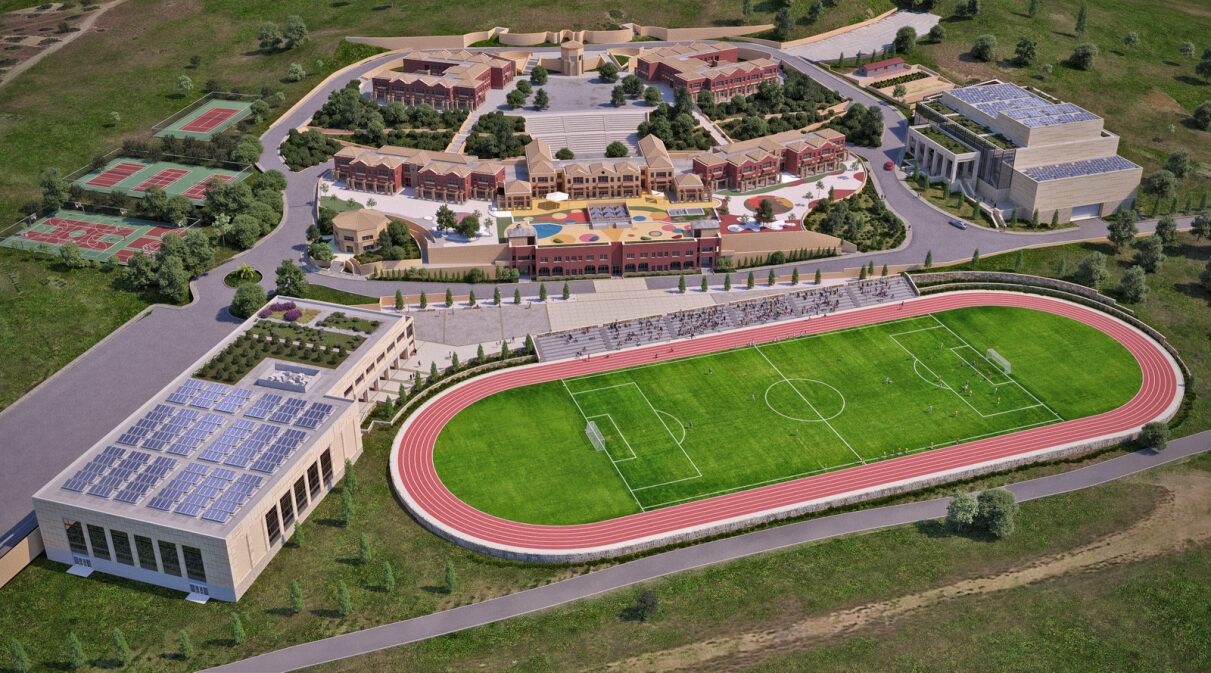
My name is Maria Grigori, and I have been a primary school educator in Greece for the past ten years. For the last four years, I have been teaching at The American College of Greece in Athens.
My journey as an educator has been shaped by a strong commitment to student-centered learning, creativity, and meaningful collaboration in the classroom.
Over the past year, I have also been pursuing my PhD, where my research focuses on how innovative teaching approaches, particularly Project Based Learning, can help students develop essential skills such as critical thinking, communication, collaboration, creativity, and entrepreneurship in primary education.
Describe your school and the students you serve.
My school is located in Eastern Attica, in a semi-urban area outside Athens. It is a private school with modern facilities that includes all levels of education, from preschool through high school.
Our school places strong emphasis not only on academic development but also on students’ social and emotional growth. In addition to core academic subjects, the curriculum includes hands-on courses such as cooking, gardening, and STEAM. The goal is for knowledge to be constructed through students’ lived experiences.
Our school’s motto reflects this philosophy: “Non ministrari sed ministrare” — not to be served, but to serve. I teach students in the upper grades of primary school. They are curious, energetic, and creative, and they respond especially well when learning connects to real life and when they can take an active role in the learning process.
What inspired you to attend PBL World?
One of the main reasons I attended PBL World was to experience Project Based Learning firsthand.
In many classrooms, when we say we are doing a “project,” it often means something added to a lesson that has already been planned. Through my experience at PBL World, I realized that in Project Based Learning the project is not an extra activity. It is the entire learning experience.
The project becomes the core learning process through which students build knowledge by taking active roles, asking questions, collaborating, and discovering learning rather than simply receiving it.

What workshops did you participate in at PBL World?
Before the conference began, I participated in the Project Slice pre-conference workshop, which was a highly interactive experience.
During this workshop, I had the opportunity to “wear the student hat” for a day. Instead of learning about Project Based Learning theoretically, we experienced it as learners.
This helped me understand how participatory learning becomes through this approach and how active a role students take in building knowledge through collaboration, reflection, critical thinking, and continuous improvement.
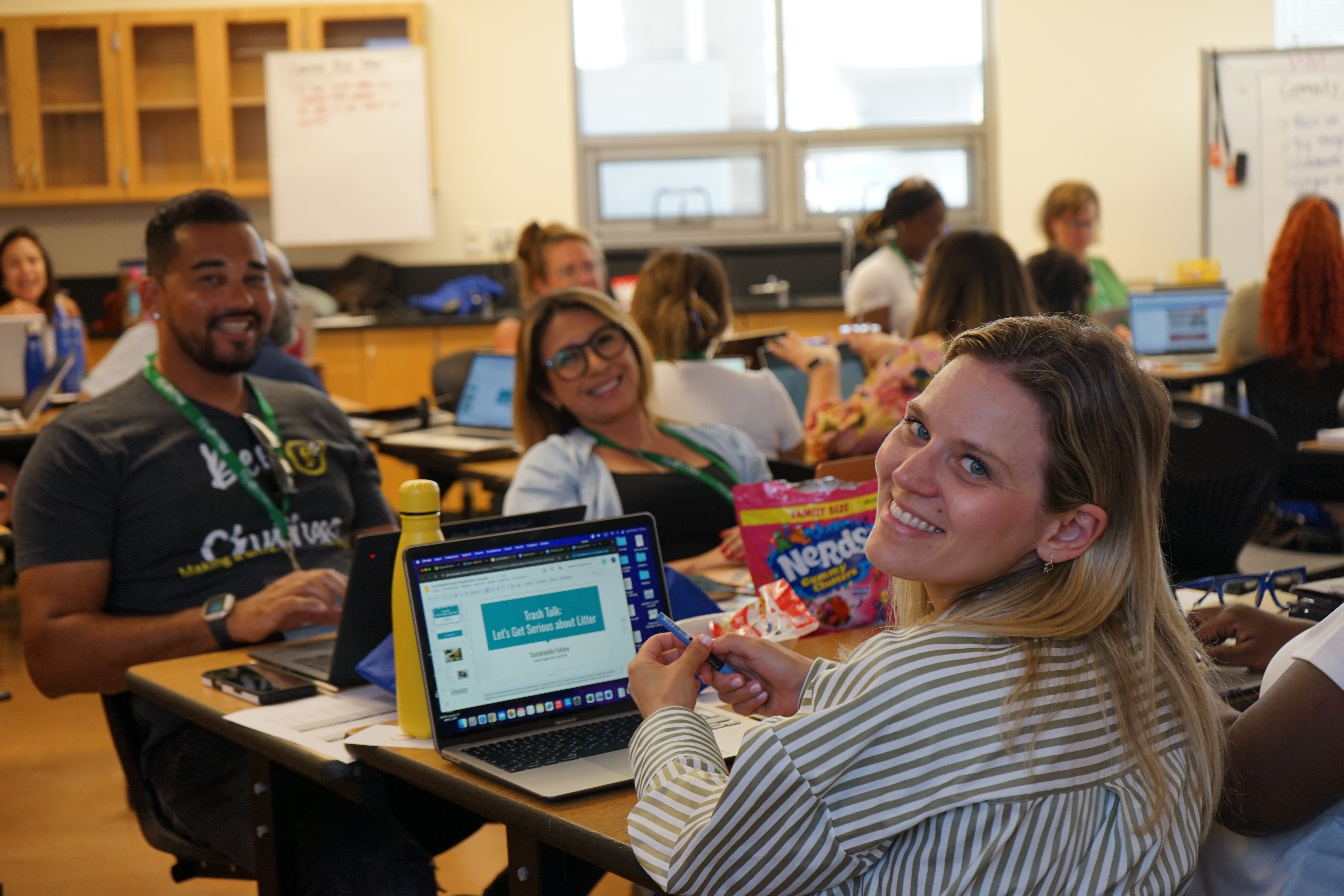
During the conference itself, I also participated in the PBL 101 workshop, where I collaborated with educators from many different countries. In that workshop, I learned practical strategies and planning tools that helped me feel more prepared to design and implement projects in my own classroom. The experience also influenced the way I began designing lessons as part of my doctoral research.
How did the experience influence your teaching practice?
Since attending PBL World, I have begun implementing lessons designed using the PBL approach as part of my research.
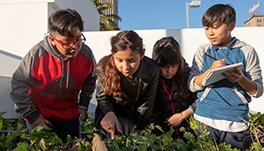
Students had more freedom to explore ideas, collaborate with their classmates, and conduct their own research using digital tools like their iPads.
Compared to more traditional lessons, students felt more comfortable asking questions, collaborating with one another, and giving peer feedback.
After one lesson, several students told me they found the experience very interesting and asked if we could learn this way again. It was encouraging to see how engaged they were in the learning process.
As an international participant, what made the experience unique?
For me, one of the most meaningful aspects of the experience was connecting with educators from around the world who share the same goals.
Even though Project Based Learning is more widely used in the United States than it is in Greece, I had the opportunity to see it in action and learn how I could implement it in my own context.
I felt that I came into contact with the practices of a distant country that still shares the same goal I do: supporting students’ progress and creating learning that is meaningful and active.
I traveled to the conference alone and initially thought I might feel isolated, but the experience was the opposite. The atmosphere was incredibly warm and welcoming, and the energy among educators was very positive. Even though I was far from home, I never felt alone.
What advice would you give to educators considering attending PBL World?
I would tell them that PBL World is a truly unique experience that helps us grow as educators. I would also encourage them to feel free to ask questions, just as we encourage our students to do in the classroom. Asking questions is one of the best ways to learn something new and deepen our understanding.