


Project Based Learning for Elementary Schools
PBLWorks equips elementary educators with age-appropriate, standards-aligned PBL project units that allow young learners to lean into their natural curiosity.
Project Based Learning for Elementary Schools
PBLWorks equips elementary educators with age-appropriate, standards-aligned PBL project units that allow young learners to lean into their natural curiosity.
Why PBL is Perfect for Elementary School Students
Learning Through Real Questions
Young children are natural question-askers and hands-on explorers — Project Based Learning meets them exactly where they are. Instead of sitting through isolated lessons, elementary students dig into real questions, build things, and see how reading, math, and science connect to the world right outside their classroom.
Building Skills and Confidence Together
At this age, PBL also does double duty: it builds foundational academic skills while nurturing the collaboration, communication, and problem-solving habits kids will lean on for the rest of their school years. A first grader who learns to plan a project with a partner, revise their work after feedback, and present what they've made isn't just meeting a standard — they're building confidence as a learner.
Built on Natural Curiosity
Because PBL taps into what young learners already do best — ask "why," make things with their hands, and want to share what they've discovered — it doesn't fight a child's natural curiosity. It builds on it.
See it in Action: An Elementary TEACH Project
High-quality Project Based Learning requires significant planning and coordination, and teachers often lack that time. TEACH provides a ready-to-use PBL project units that help teachers get started quickly while providing ample opportunity for customization and contextualizing. Every project comes with resources and embedded coaching. Take a look at this elementary project example:
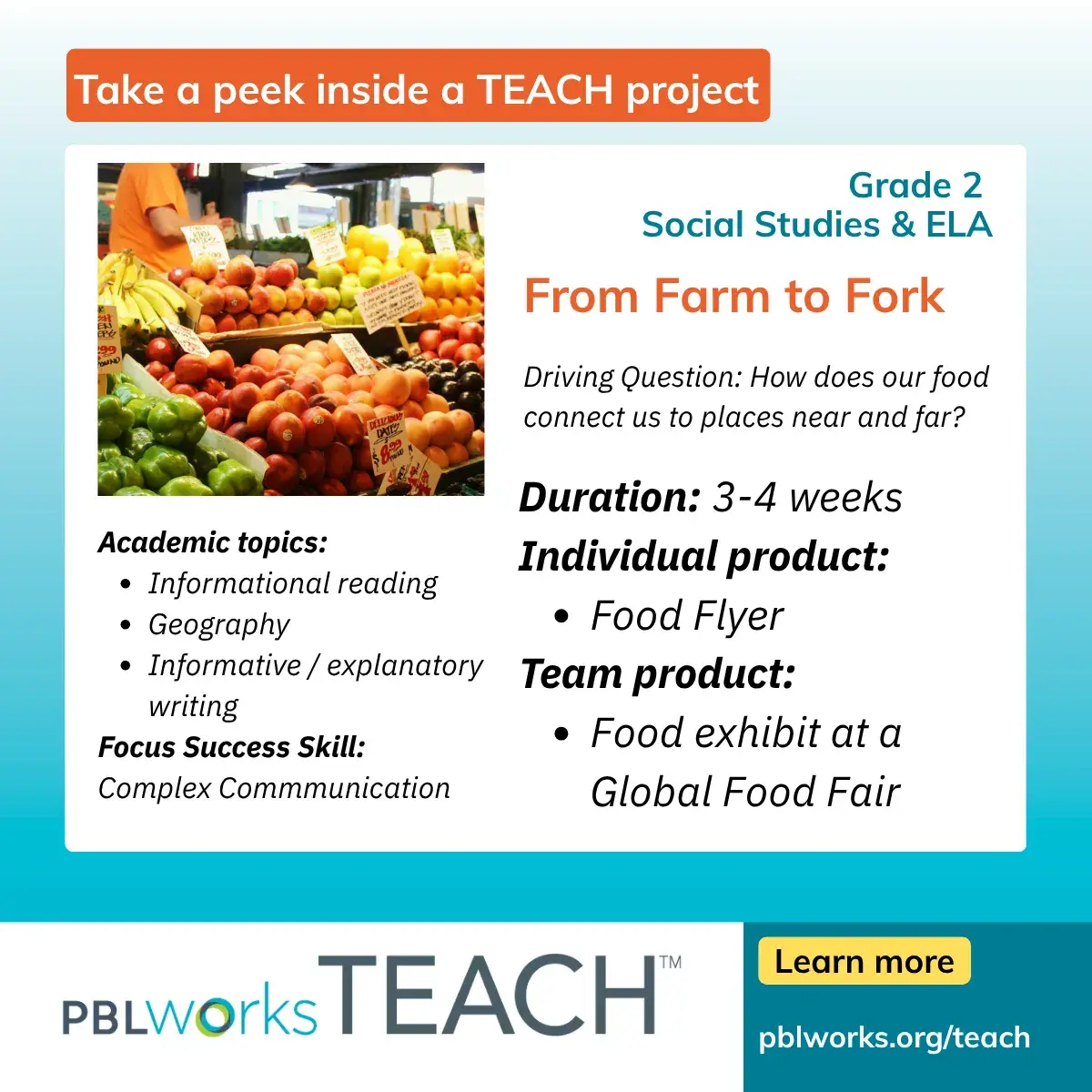
From Farm to Fork
Grade 2 | Social Studies & ELA
In this project, students step into the role of local food educators, tracing how a familiar food travels from its origin to their plate. They research how that food is grown, transported, and used — both in their own community and in one far away — building geography, research, and informational writing skills along the way. Each student creates a food flyer to share what they've learned, then teams design interactive displays for a schoolwide Global Food Fair, presenting their findings to families and classmates. Students leave able to explain how everyday food connects people, places, and cultures around the world, and your school gets a ready-made showcase event that puts that learning on display.
Elementary School Resources
 Your PBL Handbook
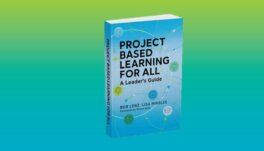
Project Based Learning Handbook for Elementary School
For elementary teachers new to Project Based Learning or looking to deepen their practice, this handbook offers practical, classroom-tested guidance grounded in the PBLWorks Gold Standard PBL model. Written by PBL experts and teachers, it walks you through the Essential Project Design Elements and Project Based Teaching Practices so you can design and run high-quality projects that help young learners make sense of the world.
 Free Tool for Teachers
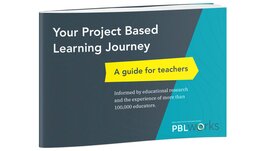
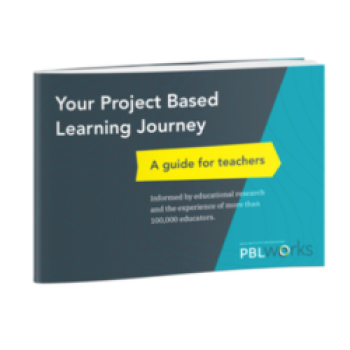
Your Project Based Learning Journey Guide
Curious what a real PBL journey looks like, from first steps to full confidence in your practice? This free guide walks teachers through the path PBLWorks has seen work for over 100,000 educators — Discover, Learn, Implement, Reflect, and Share & Lead — with practical guidance and coaching support at every stage. Whether you're just exploring PBL or ready to mentor others, it maps out what's next.
Services for Elementary Schools
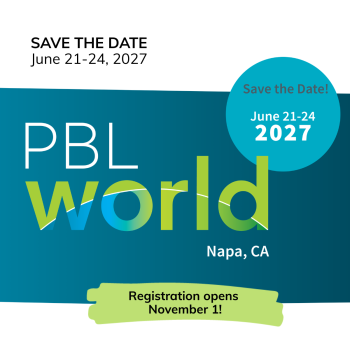 Our Annual Summer Conference
Learn Alongside Other Elementary Educators
Give your elementary team a few days to recharge and grow this summer. PBL World brings educators together for hands-on workshops, honest reflection, and real connection with a community of teachers doing the same work. You'll leave with fresh strategies for your classroom, a renewed sense of purpose, and concrete resources ready to use the moment you're back with your students. Registration opens November 1.
 2-day workshop
Get Ready to run a Project Next Week
Ready to lead your first (or next) elementary project with confidence? In this 2-day workshop, you'll select and unpack a real PBLWorks TEACH project, learn the Project Based Teaching Practices that make it work, and leave with a personalized implementation plan for your classroom — plus a full year of TEACH access for your whole school. It's the hands-on foundation elementary teachers and coaches need to move from "I've heard of PBL" to "I'm ready to run it."
 The Storytime Channel
An Experience for Early Childhood Educators
Built specifically for early childhood educators, this one-day workshop lets you experience PBL the way your students will — as a learner. Working in teams, you'll bring a favorite fairy tale to life while exploring the question, "How can we make stories come alive?" You'll live through all four phases of a project firsthand, then reflect on what it means for your own classroom — leaving with a real vision for PBL with young learners.
Frequently Asked Questions for Elementary Schools Considering PBL
-
Is Project Based Learning appropriate for young children, or is it better suited to older students?
PBL works well at any age — it just looks different. For elementary students, projects are scaffolded to their developmental stage, often built around stories, hands-on making, and simple, concrete questions rather than abstract research. Early childhood-specific training, like the Storytime Channel in our Experience PBL workshop, is designed with exactly this in mind.
-
Will PBL take time away from foundational skills like reading and math?
Not at all — it changes how students practice those skills, not whether they practice them. Instead of isolated worksheets, students apply reading, writing, and math skills in the context of a real project, which often deepens their understanding of the underlying concepts. Teachers still design projects around their standards; PBL just gives students a meaningful reason to use what they're learning.
-
How much planning time does PBL require from elementary teachers?
Now, with tools like PBLWorks TEACH, it takes less time than it did building a unit from scratch. TEACH gives you ready-to-use projects with structured lessons and teacher guidance already built in, and our workshops (like Facilitate PBL) help you walk away with a concrete implementation plan rather than starting from a blank page.
-
Do teachers need prior PBL experience before trying it with elementary students?
Not at all. Many elementary teachers start with no PBL background. Experience PBL lets you learn by doing a project yourself first, and Facilitate PBL walks you step-by-step through selecting and planning your first classroom project. If you are strapped for professional development time, we also offer a one-day workshop called Discover PBL.
-
What kind of support is available once we start implementing PBL?
You're not on your own after a workshop. Our entry-level workshops (Discover PBL, Facilitate PBL, and Design PBL) include a year of PBLWorks TEACH access for your school, and with that, you receive a dedicated Customer Success Manager to support your implementation. Additional coaching (in-person and online) is available to support your specific needs as well.
The most engaged I've seen my students this year was during our recent PBL unit on ecosystems. They were captivated throughout every phase of the project, especially when planning their models and presenting to the wider community, where they made meaningful connections.
Talk to Our Team
Our team can help you design the right path for your goals, timeline, and educators.