




At University Prep Science and Math High School on the Detroit riverfront, engineering teacher Jack Pierick is helping students experience STEM in ways that go far beyond textbooks.
Pierick teaches Principles of Engineering and Conceptual Design to about 150 students from across Detroit. Before stepping into this role, he taught mathematics in nearby districts. But his path to education began earlier. He earned a degree in mechanical engineering and wanted to work with communities rather than industry.
“I studied mechanical engineering in college,” Pierick explained. “But rather than going to work in industry, I always wanted to work with the community.”
Today, his classroom brings those two worlds together: engineering and education through Project Based Learning (PBL).
Designing Learning Through Real-World Challenges
For Jack Pierick, Project Based Learning begins with a simple but powerful goal: helping students learn by building, testing, and solving real problems.
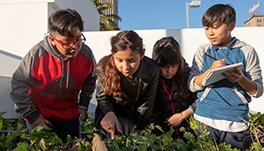
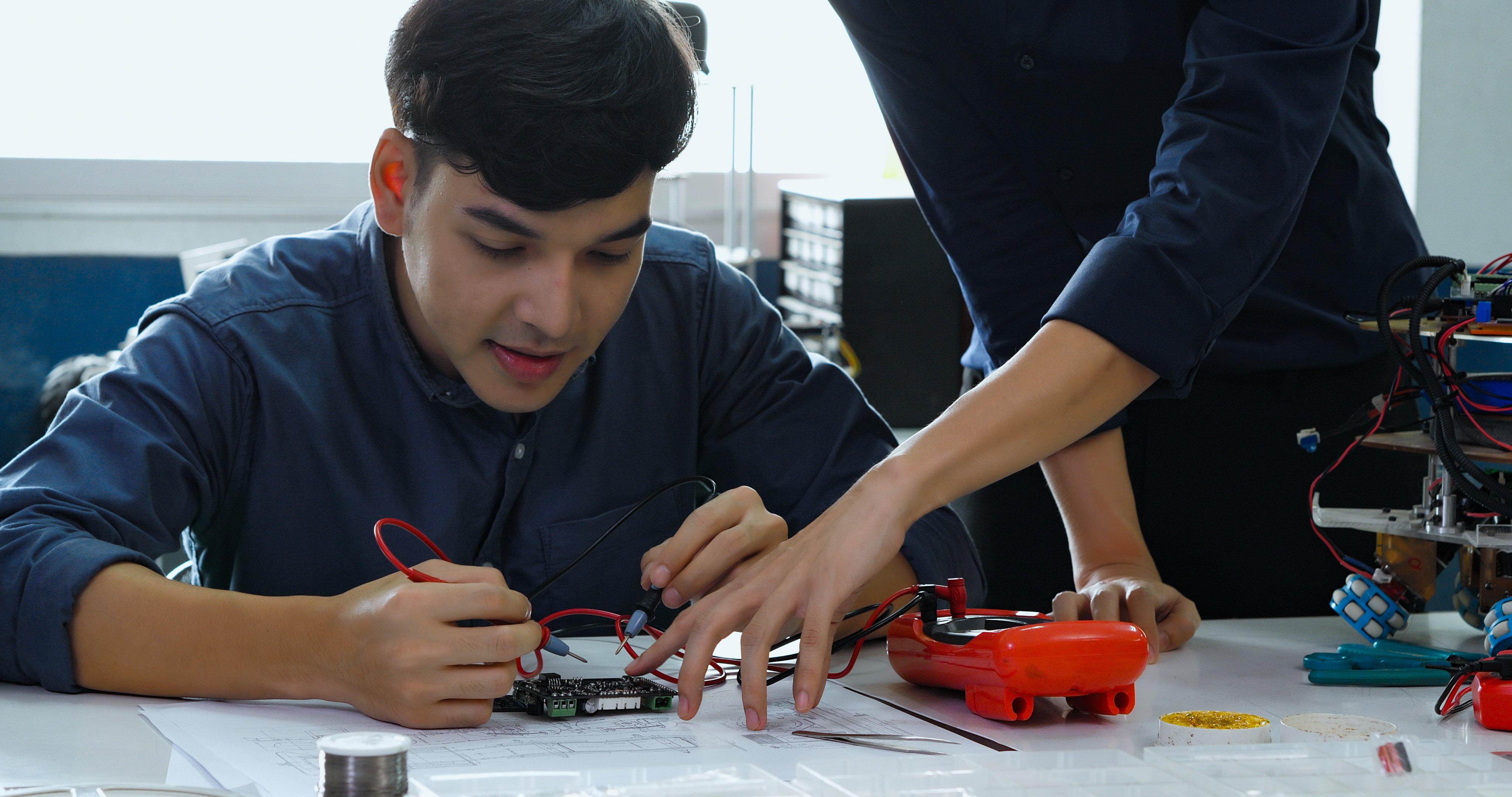
“My goal as an educator is to create high-quality hands-on learning projects,” he says. “Students aren’t just reading from a book or writing on paper. They’re applying math and physics to real materials, making measurements, building prototypes, and solving engineering challenges.”
Pierick discovered Project Based Learning through PBLWorks professional development offered by his district, and the framework immediately resonated with his engineering background. As he explored Gold Standard PBL, he noticed how closely the structure mirrored the engineering processes used in industry.
The Gold Standard PBL process is really similar to the engineering process used in industry. You start with a problem, explore possible solutions, prototype ideas, test them, and improve.
“The Gold Standard PBL process is really similar to the engineering process used in industry,” he explained. “You start with a problem, explore possible solutions, prototype ideas, test them, and improve.”
That approach allows students to experience engineering in a more authentic way. In one project, The Magic of Microgrids, students investigated energy systems across Detroit. Using tools like Google Maps, they examined the types of buildings in their own neighborhoods, from homes to commercial spaces, and explored how those buildings consume and distribute electricity.
“We explored where students live, what kind of buildings they’re near, and how those spaces use energy,” Pierick said.
By grounding learning in real places and real problems, projects like these help students connect abstract concepts to the world around them. Because students have voice and choice in their designs, every solution looks a little different.
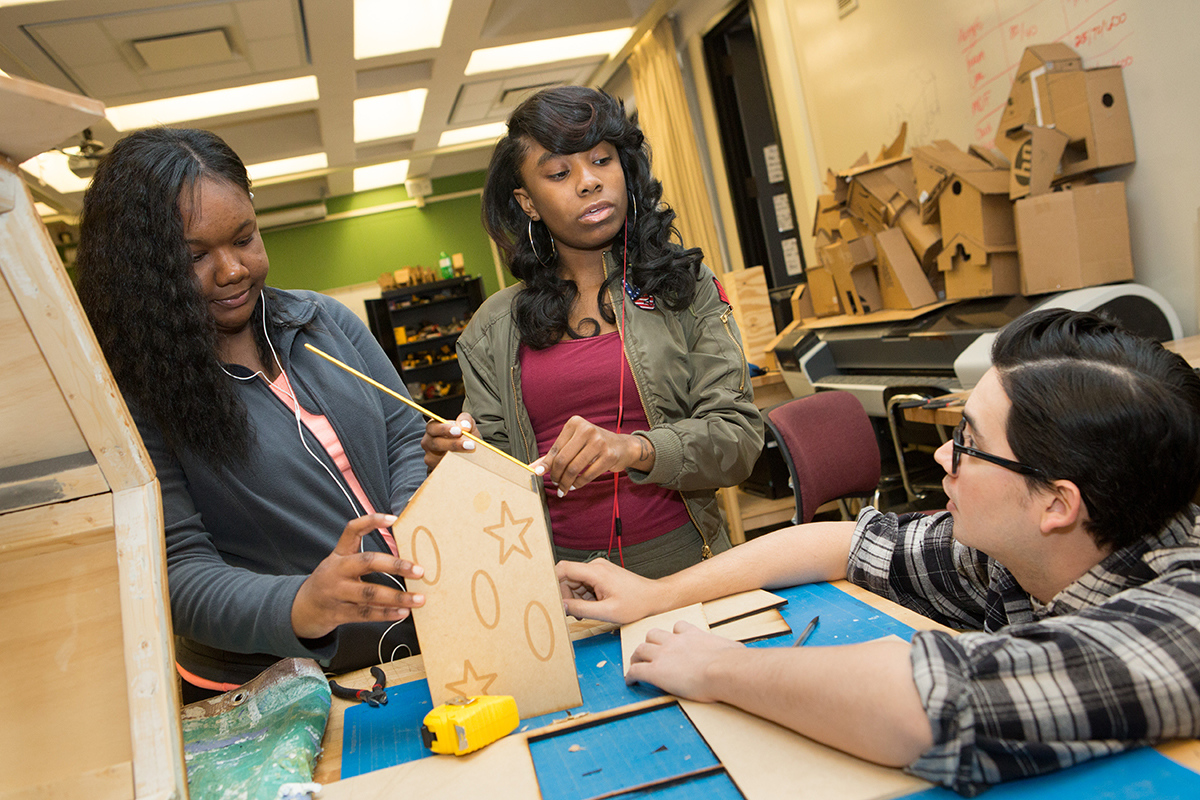
“Giving students voice and choice means every project is different,” Pierick explains. “You see the creativity in each one. We’re helping students build skills, and also helping them see how those skills connect to real-world jobs.”
Students completed a microgrid project proposal, which included a site study, detailed site description, the current Sankey energy diagram, solar analysis, proposed alternative energy sources, a proposed Sankey energy diagram, and their conclusion.
Celebrating Student Work
Student creations do not stay hidden in the classroom. Pierick regularly partners with other teachers, including the school’s art program, to showcase student work in exhibitions and presentations.
At a recent showcase, students displayed dozens of prototypes, including furniture designs and experimental shoe models. Events like these allow students to present their ideas, explain their design process, and share their learning with the community.
“It’s a beautiful thing when students can say, ‘Here’s my process, here’s what I learned, and here’s what I created.’”
Advice for Teachers Starting with PBL
For educators who may feel hesitant about Project Based Learning, Pierick offers simple but honest advice.
“Don’t give up,” he said. “Anything that can go wrong will go wrong, so expect that. But reflect on each class period and ask, ‘How can I improve this just a little bit next time?’”
Even small successes matter.
“If even one student completes the project and it makes a difference in their life, that’s a powerful thing.”
3 Takeaways from Jack Pierick’s Classroom
1️⃣ Project Based Learning mirrors the real work of engineers.
Gold Standard PBL closely reflects the engineering design process—start with a problem, explore solutions, prototype, test, and improve. This structure helps students experience engineering the way professionals do.
2️⃣ Hands-on projects make math and science meaningful.
By building prototypes, analyzing real data, and investigating systems in their own city, students move beyond abstract concepts and see how STEM applies to the world around them.
3️⃣ PBL helps students connect learning to future careers.
Through projects like model airplanes and energy systems, students begin to understand how classroom learning translates into real opportunities in fields such as aerospace, engineering, and technology.